

ADاشتہار / AdvertisementGoogle Ad
Pakistan to Resume Offshore Oil and Gas Exploration After 20 YearsBusiness
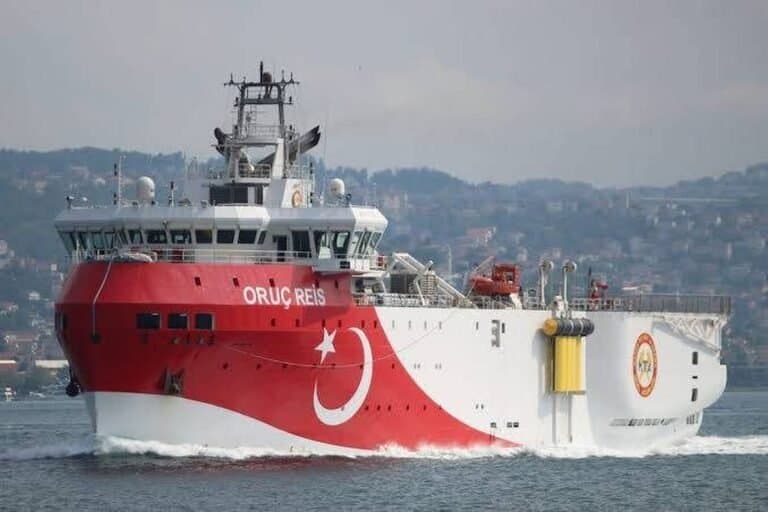
A Turkish seismic survey vessel will arrive in Karachi between November 17 and 20, marking the return of offshore oil and gas exploration in Pakistan after a gap of two decades.
Share:
Pakistan is set to resume offshore oil and gas exploration after a gap of 20 years, with a Turkish seismic survey vessel due to arrive in Karachi between November 17 and 20.
The vessel, operated by the Turkish Petroleum Offshore Company, will carry out a seismic survey of the seabed to map possible oil and gas reserves before any drilling begins. It is the first vessel of its kind to come to Pakistan for offshore exploration in two decades.
ADاشتہار / AdvertisementGoogle Ad
Federal Minister for Petroleum Ali Pervaiz Malik chaired a high-level meeting in Islamabad to review preparations for the vessel’s arrival. Senior officials of Turkish Petroleum and Pakistan Petroleum Limited attended the meeting, along with representatives of the ministries and departments involved in the operation. The minister said he would personally receive the vessel when it reaches Karachi.
The minister described the arrival as an important milestone in Pakistan-Turkiye relations, particularly following the signing of the Mecca Agreement, under which the two countries agreed to cooperate on joint oil and gas exploration. The agreement is part of a wider deepening of ties between Islamabad and Ankara, which also covers defence and trade.
The survey will focus on the Indus Offshore Block, where the government hopes to determine whether commercially viable oil and gas reserves lie beneath the seabed. A seismic survey uses sound waves to build a picture of the rock formations below the sea floor, identifying structures that may hold hydrocarbons. Only if the survey results look promising would the campaign move on to drilling.
Pakistan formally reopened its offshore frontier earlier this year after nearly two decades, signing production-sharing agreements and exploration licences for 23 blocks in the Indus and Makran offshore basins. The blocks cover about 54,600 square kilometres adjoining the coasts of Sindh and Balochistan, and the agreements carry an immediate investment commitment of 82 million dollars for seismic and geological studies, with the potential to attract up to 1 billion dollars if the surveys lead to deep-water drilling.
The stakes are high because Pakistan has never made a commercial offshore discovery, despite 18 exploratory wells drilled since independence. A recent basin study by the US firm DeGolyer and MacNaughton identified significant yet-to-find hydrocarbon potential in Pakistan’s offshore basins, which is part of the reason the new campaign has drawn interest.
For Pakistan, which imports much of its fuel, a domestic offshore discovery would be a major economic prize, reducing the import bill and strengthening energy security. The government has presented the revival of offshore exploration as a step towards that goal, while acknowledging that the survey is only the first stage and that any discovery is years away.
The vessel’s arrival in Karachi in mid-November will be the first visible sign of the renewed campaign. If the survey goes ahead as planned, the results will shape whether international companies commit the far larger sums needed to drill in Pakistan’s deep waters.
Related Coverage