ADاشتہار / AdvertisementGoogle Ad
Bilawal: No Referendum, Hold Elections in Six MonthsPakistan
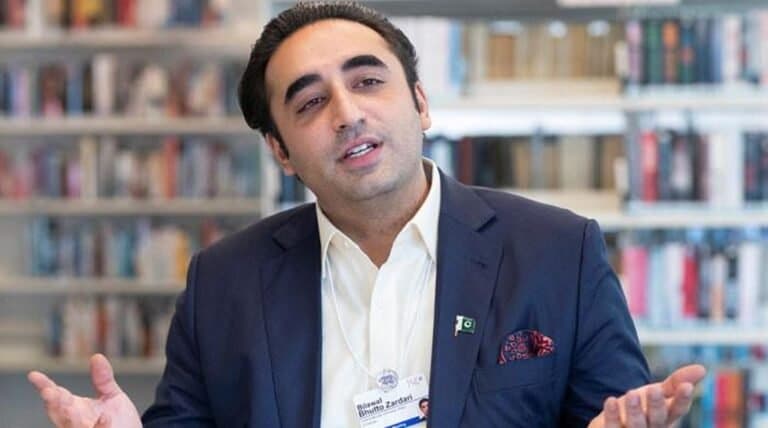
PPP Chairman Bilawal Bhutto-Zardari has rejected a referendum on new provinces, saying electoral reforms should be completed within six months followed by fresh general elections, and insisting his warning over Sindh’s division was an alarm bell, not a threat.
Share:
ISLAMABAD: Pakistan Peoples Party (PPP) Chairman Bilawal Bhutto-Zardari has said that instead of holding a referendum on the creation of new provinces, electoral reforms should be completed within six months and fresh general elections should be held. Speaking in an interview with Geo News programme “Aaj Shahzeb Khanzada Kay Sath”, he challenged his opponents to test their support at the ballot box. “Hold new elections, and I will win again and come back to show you why the people of Sindh voted for me,” he said, according to The News.
Bilawal said he had not started the debate about the collapse of the system; Interior Minister Mohsin Naqvi had initiated it. He said he was “ringing the alarm bell, not giving a threat” over the issue of new provinces and the division of Sindh, and stressed that the PPP, as a major stakeholder, had not been consulted on the matter.
ADاشتہار / AdvertisementGoogle Ad
He maintained that a referendum on new provinces would be unconstitutional, citing Article 239(4), and said setting the Constitution aside for a referendum would not be appropriate. He said no referendum or new province was discussed when President Asif Ali Zardari met Prime Minister Shehbaz Sharif in Lahore, adding that the purpose of his own meeting with the prime minister was coordination with the federal government.
Bilawal said the meeting between President Zardari and Mohsin Naqvi also did not discuss new provinces, and the President’s House had clarified the same. He questioned how a referendum could be held fairly in Balochistan and Khyber Pakhtunkhwa, and asked who would decide that Khyber Pakhtunkhwa, Balochistan and Sindh should be divided.
He said the status of a province for Gilgit-Baltistan and a South Punjab province were separate contexts, noting that a resolution on South Punjab had already been passed in the Punjab Assembly. “Where the people’s representatives have given a position on the province, we should follow it,” he said, adding that ignoring constitutional procedure and using force would achieve nothing.
He said the credibility of the Election Commission and the electoral process had never been as low as today. “This is the first time that opposition parties, the ruling party, and allies are all alleging rigging,” he said. He questioned how a referendum or a new election could come before electoral reforms.
Bilawal warned that if force was used to divide Sindh, not a single PPP worker would pick up a weapon, but conditions would go out of his control. “The fire will spread so much that this same Mohsin Bhai will come running to me,” he said, adding that extinguishing the fire would then take three more decades. He also called the economic situation “not an ordinary economic crisis but an economic disaster”, saying the people were worried and all stakeholders should focus on economic relief.
He said the PPP was supporting the government in the national interest, but if the government’s attitude did not change, the party might sit on the opposition benches, adding that carrying the burden of the government was harming his politics.
Defence Minister Khawaja Asif responded that no system could be reset without public support, while Federal Health Minister Mustafa Kamal, an MQM-P leader, described smaller provinces as inevitable and called a public referendum the best way to decide the issue, according to The News.
Related Coverage