



ADاشتہار / AdvertisementGoogle Ad
Health Services Academy, US Foundation Join Hands to Promote Mental HealthPakistan
The Islamabad-based Health Services Academy and Brilliance Foundation International USA will work together on awareness and support programmes, focusing on mothers, children and adolescents.
Share:
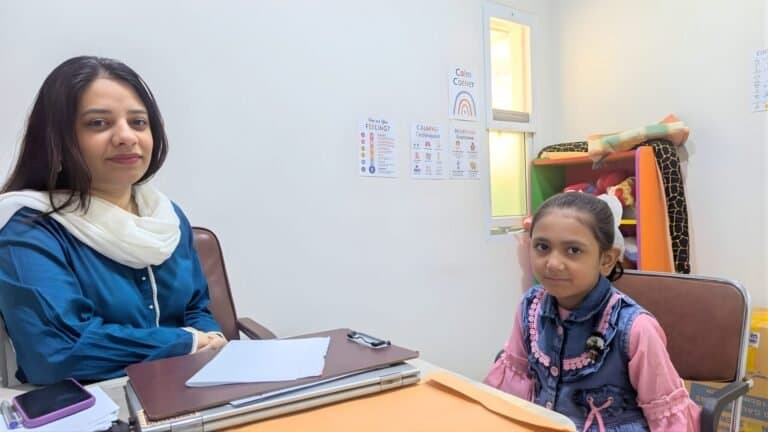
The Health Services Academy (HSA) in Islamabad has partnered with Brilliance Foundation International USA to strengthen mental health initiatives and improve access to quality mental health support in Pakistan.
According to the Associated Press of Pakistan, the partnership will focus on joint initiatives, awareness and knowledge-sharing, with particular attention to the mental health needs of mothers, children and adolescents.
ADاشتہار / AdvertisementGoogle Ad
The collaboration is being led by HSA Vice Chancellor Prof Dr Shahzad Ali Khan and Brilliance Foundation International Chief Executive Officer Ms Kalsoom Kazmi.
Officials said the two organisations would work together to promote mental health awareness and to develop programmes that help people, especially vulnerable groups, receive timely and appropriate support.
The partnership aims to improve access to quality mental health services, which remain limited for large sections of the population, and to build understanding of mental health issues among families and communities.
Mothers, children and adolescents are among the groups the initiative seeks to reach, with plans for joint activities that raise awareness and share knowledge between Pakistani and international experts.
The Health Services Academy is a public health institution in Islamabad working on education, research and training in health, while Brilliance Foundation International is a US-based organisation working on health and wellbeing initiatives.
Under the partnership, the two sides plan to organise awareness activities and share knowledge and experience, so that health workers, teachers and families are better able to recognise mental health needs and guide people towards support.
Health professionals say mothers, children and adolescents often face particular pressures, from the demands of family life and schooling to the effects of social and economic stress, and that early support can make a lasting difference to their wellbeing.
Those involved in the partnership said the collaboration would also support efforts to reduce the stigma around mental health and to encourage people to seek help when they need it.
The agreement reflects a growing focus on mental health in Pakistan, where health professionals have long called for greater attention and resources for psychological wellbeing alongside physical health.
Further details of the joint programmes under the partnership are expected to be announced as the work progresses.
Related Coverage