


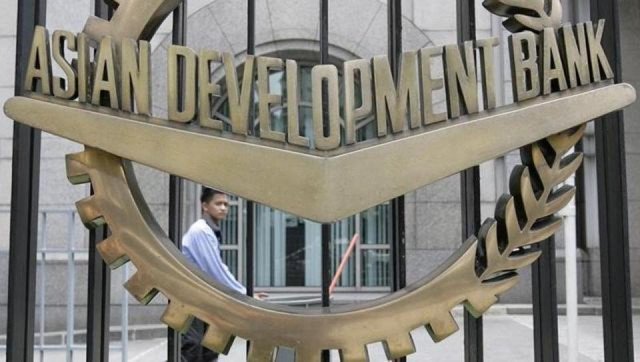
ISLAMABAD: The Asian Development Bank (ADB) has approved a new five-year lending framework for Pakistan, with an estimated financing envelope of $10 billion to $12 billion aimed at supporting economic reforms, infrastructure development, and sustainable growth.
The strategy, outlined under the Country Partnership Strategy (CPS) for 2026–2030, was endorsed unanimously by the ADB board. Even India’s executive director backed the plan, though concerns were raised regarding governance and debt sustainability.
READ MORE: Govt. hikes kerosene and LDO prices, keeps petrol and diesel unchanged
According to the Manila-based lender, the program will prioritize three core areas: boosting private sector-led growth, promoting social inclusion and empowerment, and strengthening climate resilience and sustainability.
While the ADB has not formally fixed the total financing size, officials indicated that, based on current lending patterns, the package is expected to range between $10 billion and $12 billion over five years. Individual projects will be finalized through ongoing negotiations between Pakistan and the bank, with the possibility of increased funding if the country’s credit ratings improve.
Currently, Pakistan receives around $2 billion annually from the ADB, including concessional loans, with last year’s approvals reaching a record $2.6 billion.
A key component of the new plan is the development of critical mineral resources. The ADB will provide financial and technical support to help Pakistan build value chains in minerals such as copper, chromite, and gold, while improving governance, infrastructure, and environmental safeguards in the sector.
ADB Country Director Emma Fan said the strategy is designed to tackle structural economic challenges and promote inclusive growth, particularly benefiting vulnerable segments of society. She added that the initiative would encourage investment, reforms, and job creation across multiple sectors.
The program will also support reforms in pension and insurance systems, alongside efforts to strengthen capital markets to channel long-term investments into the economy.
Infrastructure development remains a central pillar of the strategy, with special focus on upgrading Main Line-I, the backbone of Pakistan’s railway network. The project aims to modernize tracks, signaling systems, and stations to improve connectivity and support regional trade.
In addition, the ADB plans to expand investments in ports, highways, and logistics, while working to streamline cross-border trade processes and integrate supply chains.
The strategy also addresses broader economic challenges, noting that Pakistan’s mining sector contributes only a small share to GDP despite significant resource potential. It highlights gaps in governance, infrastructure, and regulatory frameworks that have limited growth in key industries.
The report further underscores social and economic disparities, pointing out that poverty remains high, particularly in rural areas, and income inequality persists, with a large share of wealth concentrated among top earners.
To address climate risks, the ADB will assist Pakistan in strengthening disaster management systems, improving climate governance, and mobilizing financing for adaptation and mitigation efforts.
Overall, the five-year framework aims to support Pakistan’s transition toward a more resilient, inclusive, and sustainable economy, while addressing long-standing structural and governance challenges.
For the latest news, follow us on Facebook DAILY HAYAT - Mirpur A.J.K