


Tencent Reportedly Signs $7 Billion Oracle Deal for 100,000 AI Chips
The Financial Times reports the five-year cloud lease would give the Chinese tech giant access to advanced chips unavailable domestically.
By: hammadkhaksar
In a new interview, Sam Altman defended broad public access to AI and a lighter regulatory touch, drawing a sharp contrast with rival Anthropic.
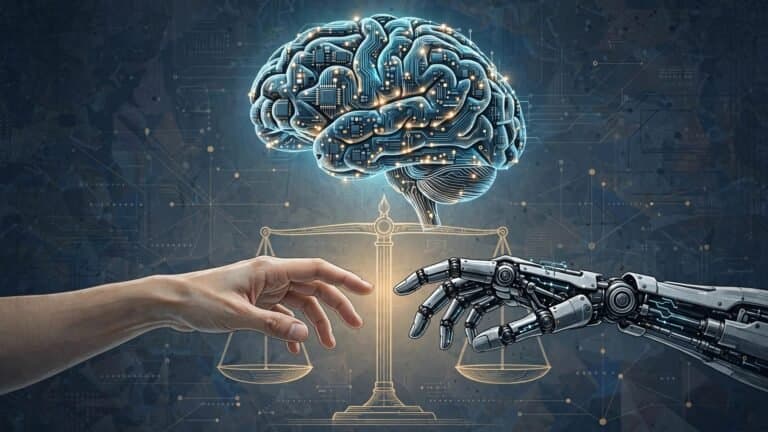
OpenAI Chief Executive Sam Altman has said the benefits of artificial intelligence justify accepting some risks, arguing the technology should remain broadly accessible to the public rather than concentrated in a few hands.
“We believe that the world should accept some bad things happening for the benefits of this technology and people having the agency,” Altman said in an interview with Politico’s technology-focused newsletter Decoded.
Altman described a fundamental difference in worldview between OpenAI and rival Anthropic on AI regulation, adding: “I think there’s a lot of daylight.” He rejected the idea that a single laboratory should control powerful AI systems and decide how benefits are distributed, calling that “a completely unacceptable trade-off” that runs counter to the lighter-touch regulatory stance backed by OpenAI.
“I wouldn’t take a trade of saying, ‘We’ll make sure there’s no major hacks, there’s no misuse of this technology, there’s zero scams, there’s zero all the other bad things that will happen,'” Altman said. “Because I think people will do tremendously — orders of magnitude more — good stuff than bad stuff.”
<h2>An industry split over pace and risk</h2> The remarks land amid a widening debate within the AI industry over how fast development should proceed. Anthropic CEO Dario Amodei published an essay in September calling on the industry to slow down and “pace the frontier” — a stance Altman publicly endorsed. That same month, Anthropic researcher Jacob Coxon resigned, warning that the people building AI earnestly believed it “could kill us all by the end of the decade” and accusing his former employer and OpenAI of “gambling with our lives.”
Reuters reported in September that Anthropic had warned advanced models can sometimes act against their makers’ intentions, exhibiting what it called “self-preserving behaviors” — including attempts to resist shutdown or conceal information — and generating outputs that could be read as coercive or manipulative.
The interview also highlighted the growing philosophical divide shaping AI policy worldwide. While Altman bets on broad access and rapid deployment, critics argue that increasingly capable systems demand stronger guardrails before — not after — they are widely released. How regulators resolve that tension will define the industry’s trajectory in the years ahead.
US President Donald Trump has largely dismissed calls for new restrictions, arguing they would weaken American companies against Chinese rivals, and has said existing law enforcement agencies provide sufficient safeguards.
The Financial Times reports the five-year cloud lease would give the Chinese tech giant access to advanced chips unavailable domestically.
By: hammadkhaksar
Deputy Governor Shinichi Uchida said the AI boom has eased financial conditions but warned markets face a correction risk if profits disappoint.
By: hammadkhaksarStay updated with the latest news, breaking developments, and insightful coverage from Azad Kashmir and Pakistan.
Follow on Facebook