ADاشتہار / AdvertisementGoogle Ad
Flu cases double at Karachi hospitals in a weekHealth
Karachi’s JPMC and Civil Hospital have both seen flu cases double in just over a week, with doctors urging hand hygiene, rest and staying home when ill as winter approaches.
Share:
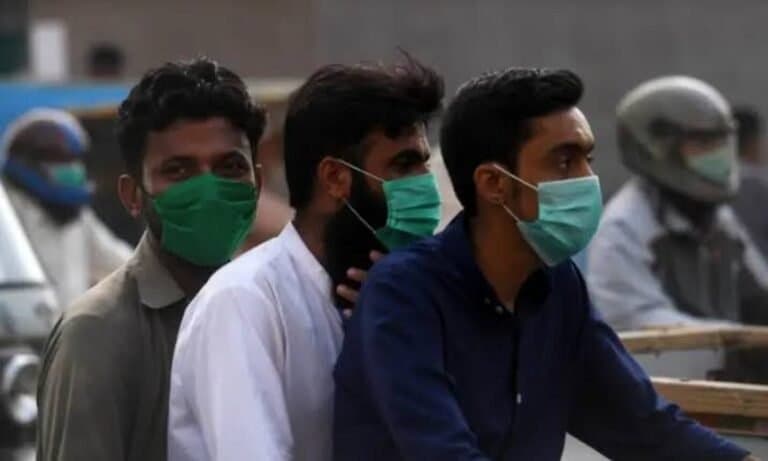
Karachi’s major public hospitals are reporting a sharp rise in flu cases as the city moves towards winter, with doctors warning that the seasonal shift, falling night-time temperatures and relaxed precautions are combining to spread illness more widely.
At Jinnah Postgraduate Medical Centre (JPMC), the number of patients arriving with flu-like symptoms has roughly doubled in the past week, rising from 30 to 40 a day to 70 to 80 a day. Dr Irfan Siddiqui, who heads the hospital’s emergency department, said patients with flu-like symptoms had been coming in for over a month, but the increase over the past eight to 10 days had been marked.
ADاشتہار / AdvertisementGoogle Ad
According to Dr Siddiqui, most people first visit a neighbourhood clinic when they fall ill and only reach a hospital emergency department when the illness becomes serious. He cautioned that the large number of cases at a major tertiary hospital suggests a far greater number of people are affected across the city, with hospital figures representing only the tip of the iceberg.
The spike, he said, is seasonal, and people with weak immune systems, the elderly and children are more vulnerable than others. He also pointed to the public’s reluctance to adjust eating habits to the changing weather as a factor that could leave people more open to illness.
Most flu patients currently reporting to JPMC are aged between 18 and 32 and belong to the labour class, Dr Siddiqui said. A significant number of them are heavy smokers and drug users, he added, noting that patients are generally presenting with severe illness and taking longer than usual to recover.
Doctors are urging the public to take simple precautions. Dr Siddiqui advised frequent hand washing, staying at home when ill, avoiding close contact with sick people, staying hydrated and getting adequate sleep. He also advised against consuming cold drinks and water during this period.
He described getting a flu shot every year in early autumn as the most effective step to reduce the risk of seasonal flu and its complications, but noted that the vaccine is costly and available only in private healthcare settings.
A similar pattern is being seen at Dr Ruth Pfau Civil Hospital Karachi (CHK), where cases have doubled in just over a week. Dr Imran Sarwar, additional medical superintendent and head of the emergency department, said daily cases had jumped from eight to 10 to between 30 and 40.
While patients of all age groups are reporting to CHK, younger people aged 20 to 30 are dominant, Dr Sarwar said. He added that the illness appears more contagious this time, with three to five patients from the same family often falling ill together. Treatment, he said, is symptomatic, with only a few complicated cases requiring admission.
Health experts say the experience of both hospitals underlines the need for early precautions as winter approaches, particularly for vulnerable groups and households where one case can quickly spread to others.
Related Coverage