
ADاشتہار / AdvertisementGoogle Ad
Pakistan’s First Astronaut Begins Space ExperimentsPakistan
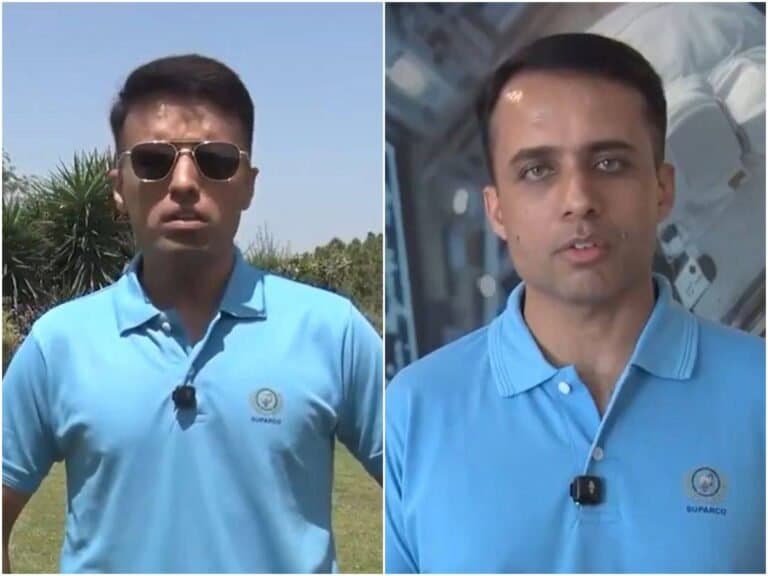
Pakistan’s first astronaut, Muhammad Zeeshan Ali, has begun conducting scientific experiments aboard China’s Tiangong space station, with new footage showing him working alongside Chinese astronauts in zero gravity.
Share:
Pakistani astronaut Muhammad Zeeshan Ali has begun conducting scientific experiments aboard China’s Tiangong space station, with new footage showing him working alongside Chinese astronauts in zero gravity.
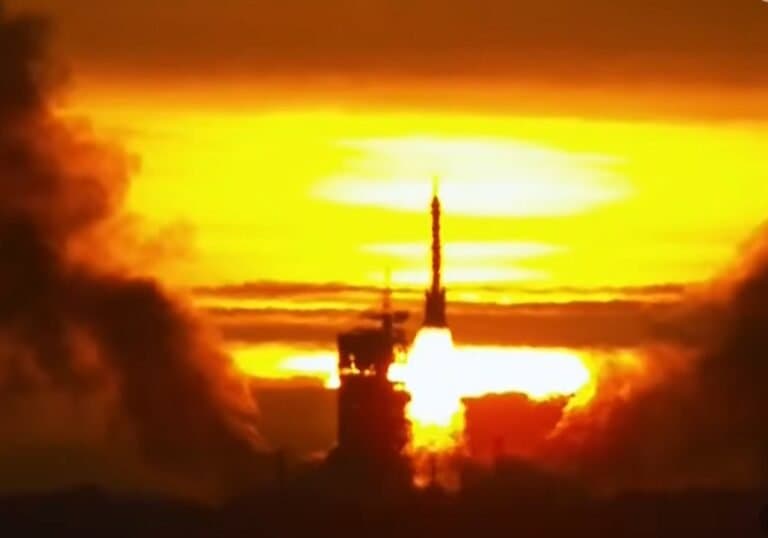
The 40-year-old Pakistan Air Force pilot travelled into orbit aboard the Shenzhou-24 spacecraft, which launched from the Jiuquan Satellite Launch Centre in north-west China on 25 November and docked with the Tiangong station about three and a half hours later. His arrival made him the first Pakistani to travel into space and the first foreign astronaut to enter China’s space station.
ADاشتہار / AdvertisementGoogle Ad
Ali is travelling as a payload specialist in a three-member crew alongside Chinese commander Tang Hongbo and flight engineer Wu Yi. After docking, the three newcomers entered the station and were welcomed by the three astronauts already living there.
As part of Pakistan-China space cooperation, Ali is working on four joint scientific projects during his stay, covering biotechnology, advanced materials, space agriculture and food security. The experiments will examine photosynthesis in bacteria and the effects of space radiation and microgravity on seeds.
One of the projects, the Green Micro Factory experiment, will study microalgae and cyanobacteria and their potential to support oxygen production, carbon dioxide removal and food generation during long-duration space missions. Other research includes studying quinoa seeds and advanced composite materials, including self-healing carbon fibre composites that can automatically repair small cracks in spacecraft.
The scientific programme builds on four Pakistani biotechnology experiments selected by Chinese institutions from more than 300 proposals submitted to the Space and Upper Atmosphere Research Commission (SUPARCO) by universities across Pakistan. The research focuses on areas relevant to food security and climate change, according to details previously shared by SUPARCO officials.
Ali trained in Beijing for seven months before the flight, including intensive Chinese language classes and training on the spacecraft and the space station. To facilitate his stay, China’s space agency has made special arrangements for halal food, including seven Pakistani-style options such as butter chicken, beef nihari, lamb korma and chickpeas, and has provided operational instructions in English aboard the station.
Ali is expected to spend about a week at the Tiangong station, carrying out the scheduled experiments before returning to Earth aboard the Shenzhou-23 spacecraft. Earlier in the week, Prime Minister Shehbaz Sharif and the field marshal spoke with him in orbit, congratulating him on the mission.
The flight follows an agreement signed between Pakistan and China in February 2025 on selecting and training Pakistani astronauts for missions to the Chinese space station. Planning Minister Ahsan Iqbal, who attended the launch, described the mission as Pakistan’s URAAN, or flight, into space, calling it a proud new chapter in the country’s history.
Related Coverage