ADاشتہار / AdvertisementGoogle Ad
Qatar Proposes 48-Hour Deal to End US-Iran ConflictWorld
Doha proposes a two-day deal: the US lifts its naval blockade and frees part of Iran’s frozen funds, while Tehran admits nuclear inspectors and reopens Hormuz.

Share:
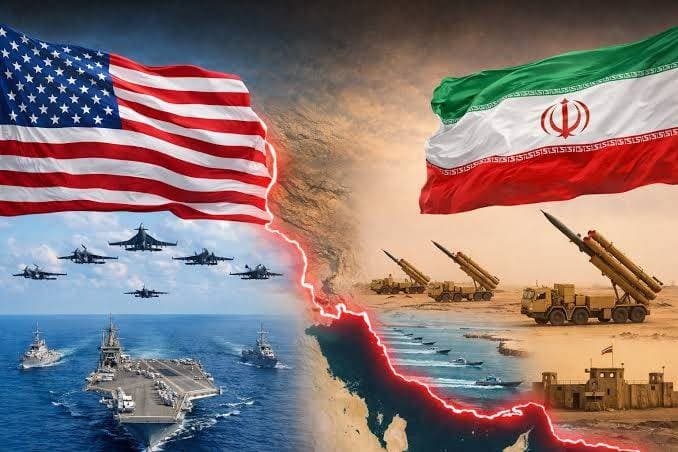
A new diplomatic opening has emerged in the long-running confrontation between the United States and Iran, with Qatar putting forward a plan that its backers hope can pull both sides back from the edge of a wider war. The proposal, reported by foreign media on Saturday, sets out a short sequence of reciprocal steps designed to rebuild a minimum of trust before the two countries return to the negotiating table.
What the two-day plan involves
ADاشتہار / AdvertisementGoogle Ad
Under the formula, the first day would see the United States lift its naval blockade of Iran and release a portion of Tehran’s frozen assets, estimated at around $8 billion. In return, Iran would invite inspectors from the International Atomic Energy Agency (IAEA) to visit nuclear facilities damaged in earlier American strikes, including sites that hold its stockpile of highly enriched uranium. On the second day, Iran would reopen the Strait of Hormuz to international shipping.
The arrangement would then clear the way for broader negotiations on Iran’s nuclear programme, with the future of its enriched uranium stockpile at the centre of the talks. According to the Associated Press, Iran holds 440.9 kilograms of uranium enriched to 60 percent purity. Crucially, the Qatari plan does not require Tehran to send that stockpile out of the country; reducing its enrichment level through a process known as down-blending is among the options under discussion.
The stakes extend well beyond the two capitals. The Strait of Hormuz carries roughly a fifth of the world’s traded oil and liquefied natural gas, and its closure has rattled energy markets and shipping for weeks. Restoring passage through the waterway, even temporarily, would ease pressure on fuel prices and on the Gulf economies that depend on the route.
For now, however, the plan remains only a proposal. No final agreement has been reached, and neither Washington nor Tehran had accepted the terms as of Friday, according to the reports. Tehran is said to remain cautious about readmitting United Nations inspectors, fearing that sensitive information gathered during visits could reach the United States and Israel, and questioning the credibility of the IAEA’s leadership after the strikes on its facilities. Iran has also set out wider conditions, including an end to sanctions, the release of frozen funds and compensation for war damage.
Qatar’s Emir, Sheikh Tamim bin Hamad Al Thani, has discussed the initiative directly with US President Donald Trump, stressing the importance of dialogue and diplomacy to prevent further escalation. Qatar’s prime minister said on Saturday that mediation was continuing and that Washington remained ready to seek a solution, even after the midterm elections. The Associated Press also reported fresh limited American strikes on Friday against an Iranian air-defence system, a reminder of how fragile the diplomatic track remains.
If the two sides accept the confidence-building steps, expanded talks would follow on the nuclear programme and the other disputes between them. For the moment, diplomats in Doha are working to keep that window open, and to keep the region’s most dangerous standoff from sliding back into open conflict.
Related Coverage