
ADاشتہار / AdvertisementGoogle Ad
Iran says US talks intensive but no deal yet to avert warWorld
Iran’s foreign minister has described talks with the United States as intensive and productive, but stressed that no agreement has been reached so far.
Share:
Iran’s foreign minister, Abbas Araghchi, has described the country’s talks with the United States as intensive and productive, while making clear that no agreement has yet been reached. The comments, reported on Monday, present diplomacy as still in progress, with the two sides talking seriously but not yet close enough to announce a deal.
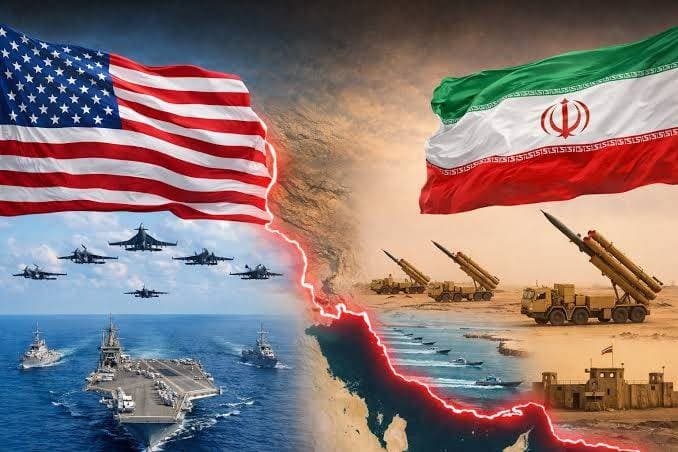
The talks are being watched closely because they are framed as an effort to avoid a wider conflict. A breakdown in diplomacy between Iran and the United States carries risks that go beyond the two countries, affecting the wider Middle East, energy markets and global security. That is why even the tone of the discussions, described as intensive, is treated as significant news in itself.
ADاشتہار / AdvertisementGoogle Ad
At the heart of the disagreement is uranium enrichment. According to the reports, Iran insists on its right to enrich uranium for peaceful purposes, while the United States is reported to want enrichment to end. That gap is not a minor technical detail. Enrichment is the process at the centre of long-running concerns about Iran’s nuclear programme, and the two positions point in opposite directions, which helps explain why the talks have been difficult.
Oman has been reported as a mediator in the process, a role the Gulf state has played in earlier rounds of diplomacy between Washington and Tehran. Mediation of this kind matters because direct communication between the two sides has often been limited. A trusted intermediary can carry messages, test ideas and help both sides understand where the other might be willing to move, without either side having to make a public concession first.
Regional governments are also following the talks with concern. Countries across the Middle East would be affected by any escalation, whether through security risks, economic disruption or pressure on shipping and energy routes. At the same time, many of them have their own relationships with both Washington and Tehran, and they have an interest in a diplomatic outcome that reduces tension rather than raising it.
Signals from Washington have not all pointed in the same direction, according to the reports. Different statements about the chances of a deal have created uncertainty about how close the two sides really are. That mixed messaging is common in sensitive negotiations, where public comments are often aimed at domestic audiences as well as at the other side of the table, but it also makes it harder for outside observers to judge the state of play.
For now, the most reliable reading of the situation is a cautious one. The talks are continuing, they are described by Iran’s foreign minister as intensive and productive, and they have not yet produced an agreement. Neither side has announced a breakthrough, and the core disagreement over enrichment remains unresolved in public.
What comes next will depend on whether the two sides can narrow that gap in private. A deal would need to address enrichment in a way both governments can present as acceptable at home, while also giving the wider region confidence that escalation has been avoided. Until that happens, diplomacy continues against a background of tension, with the risk of conflict still present even as the talks themselves are described in positive terms.
Related Coverage