
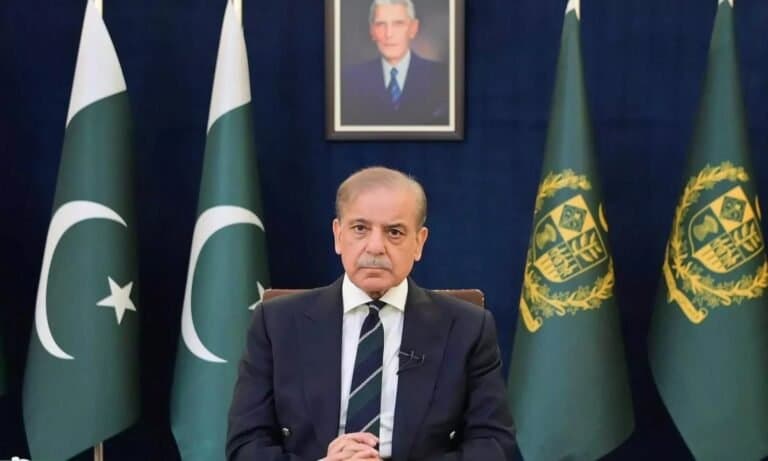
PM Shehbaz launches anti-poverty initiative
PM Shehbaz Sharif has announced a new support package for extremely poor and flood-hit families, calling poverty eradication a shared national duty.
By: hammadkhaksar
The Foreign Office says any dialogue with Afghanistan must include a verifiable mechanism to stop cross-border terrorism, and warns India of a stronger response to future aggression.
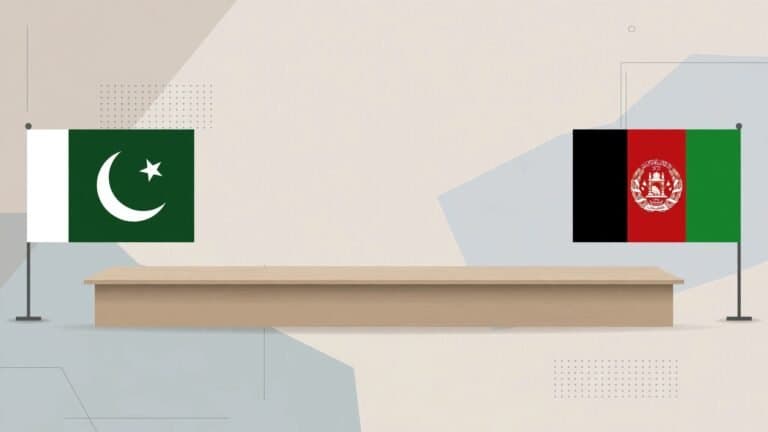
ISLAMABAD: Pakistan has ruled out unconditional talks with Afghanistan, insisting that any future dialogue must be tied to a verifiable mechanism that guarantees an end to terrorist activities launched from Afghan soil.
Addressing the weekly media briefing on Friday, Foreign Office spokesperson Sajjad Haider Khan said Pakistan was not avoiding engagement but would only join discussions that produced tangible results. According to him, Pakistan would welcome sincere efforts by friendly countries to help resolve the long-running dispute and promote regional peace.
The statement came as Russia renewed its readiness to mediate between the two neighbours. The spokesperson said he was not aware of any separate, formal Russian mediation initiative currently under discussion, while stressing that Islamabad remained open to engagement that delivered concrete outcomes. Russia is the only country to have formally recognised the Taliban government, and Moscow’s special envoy for Afghanistan, Zamir Kabulov, had earlier renewed the offer to facilitate a settlement if both sides sought it.
<h2>Moscow Format ends without agreement</h2> The spokesperson said the failure of the latest round of the Moscow Format consultations on October 5 to issue a joint communique highlighted the central obstacle to normalising relations. According to him, the Afghan delegation was unwilling to accept language on terrorist networks operating from Afghanistan that had been acceptable in the previous year’s document.
“The fact that no joint communique was issued after the Moscow Format is self-evident that Afghanistan did not accept the formulation which had been acceptable until last year, particularly about the presence of terrorist networks in Afghanistan,” Mr Khan said.
Pakistan’s core demand, he reiterated, is action against the Tehreek-i-Taliban Pakistan and other militant groups that Islamabad says use Afghan territory to launch attacks across the border. The Taliban authorities have rejected these allegations and have avoided taking a categorical position on the banned outfit.
The spokesperson recalled that previous mediation attempts had also failed to produce a lasting settlement. Qatar and Turkiye helped broker a ceasefire last October, but the subsequent round of talks did not hold. Saudi Arabia separately hosted discussions, while China held talks between the two sides in Urumqi in April. None of these efforts, he noted, resolved the disagreement over terrorist groups and the measures needed to prevent cross-border attacks.
<h2>Warning to India</h2> On a separate note, the spokesperson rejected what he called provocative remarks by Indian Defence Minister Rajnath Singh, who had threatened a bigger strike in response to any future terrorist attacks while speaking at the National Defence Conclave 2026 in Delhi. Mr Singh had recalled Operation Sindoor, describing it as a decisive response to terrorism.
“We reject and condemn the Indian Defence Minister’s provocative remarks entailing a threat of Indian aggression against Pakistan,” Mr Khan said, adding that such statements reflected a hegemonistic mindset and posed risks to regional peace and stability in South Asia.
He reminded New Delhi of what he described as the consequences of its military aggression in May last year, when Pakistan, according to him, demonstrated both its capability and resolve to defend its sovereignty and territorial integrity. Any future aggression, he warned, would be met with an even stronger response, and he urged India to abandon what he termed its belligerent posture and act responsibly for lasting peace in the region.
PM Shehbaz Sharif has announced a new support package for extremely poor and flood-hit families, calling poverty eradication a shared national duty.
By: hammadkhaksar
The National Assembly on Friday authorised a parliamentary committee on electoral reforms aimed at ensuring free, fair and transparent elections.
By: hammadkhaksar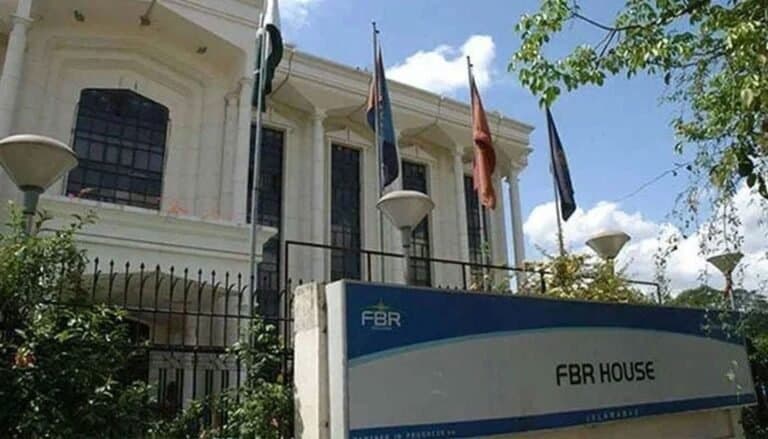
The FBR has given taxpayers two more weeks to file income tax returns for Tax Year 2026, moving the deadline to October 31 after appeals from trade bodies and tax professionals.
By: hammadkhaksarStay updated with the latest news, breaking developments, and insightful coverage from Azad Kashmir and Pakistan.
Follow on Facebook