

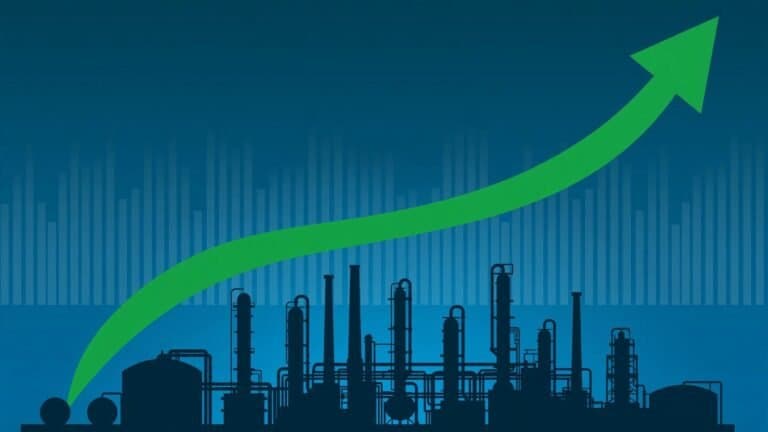
PSX Rebounds 641 Points as Refinery Stocks Lead Oct 14 Rally
The KSE-100 gained 641.07 points to close at 165,417.51 on October 14 on buying in refinery and energy stocks, but analysts say investors await fresh triggers.
By: hammadkhaksar
Readymade garments and cotton yarn led the 5.26pc rise, offering exporters rare relief despite high input costs and global headwinds.

Pakistan’s textile and clothing exports rose 5.26 per cent to $5.026 billion in the first quarter of 2026-27 from $4.775 billion in the same period last year, according to foreign trade data released by the Pakistan Bureau of Statistics on Thursday.
The modest rise in export proceeds came despite elevated input costs that have eroded exporters’ competitiveness and external shocks that disrupted shipments. Readymade garments led the growth, surging 15.69 per cent in value and 17.38 per cent in quantity during July-September FY27. Cotton yarn exports jumped 24.47 per cent to $227.1 million, while knitwear rose 4.14 per cent in value to $1.483 billion but fell 0.46 per cent in quantity.
Towels posted a 10 per cent increase to $291.56 million, and made-up articles, excluding towels and bedwear, grew 7.89 per cent to $223.12 million. On the weaker side, cotton cloth exports declined 5.34 per cent to $425.3 million, bedwear dipped 0.07 per cent in value, and tents, canvas and tarpaulin fell 35.29 per cent to $25.7 million.
Textile exporters have already warned the government that exports could slow further in the second quarter if no corrective measures are taken. Two major setbacks have weighed on shipments: the suspension of trade with Afghanistan since October 2025 and falling exports to the Middle East amid the prevailing war in the region, especially to the United Arab Emirates.
The broader export picture showed improvement beyond textiles. Total exports in September reached $2.961 billion on a provisional basis, up 16.94 per cent over August and 18.5 per cent over September 2025. For the full July-September quarter, total exports stood at $8.445 billion, an increase of 11.13 per cent over the corresponding period last year.
Imports rose faster, however. September imports stood at $6.492 billion, and imports during the first quarter reached $19.213 billion, up 13.20 per cent year on year, keeping pressure on the trade balance. Pakistan’s oil import bill alone rose 6.50 per cent in the quarter to $4.02 billion, driven by higher international oil prices.
Industry representatives say the momentum in value-added segments such as garments and knitwear is encouraging, but sustained growth will depend on easing energy and input costs, stable access to raw materials, and support for exporters navigating disrupted regional markets.
The KSE-100 gained 641.07 points to close at 165,417.51 on October 14 on buying in refinery and energy stocks, but analysts say investors await fresh triggers.
By: hammadkhaksar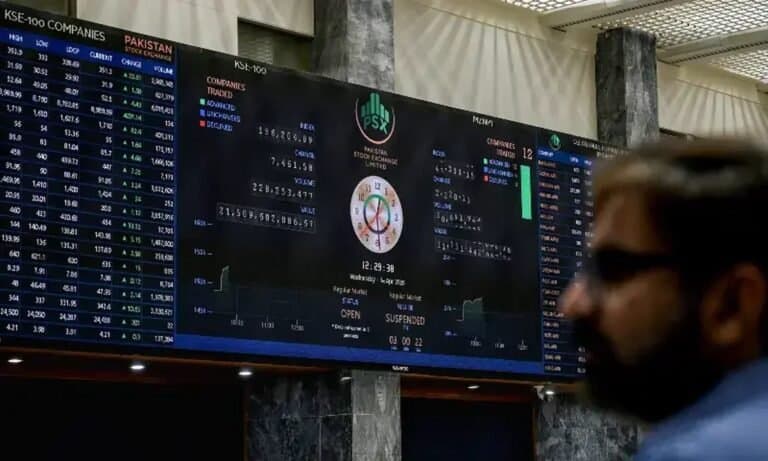
Pakistan's KSE-100 fell 347.97 points to 164,776.44 on Tuesday as nervous investors sold amid political turmoil, dragging the index below 165,000.
By: hammadkhaksar
Finance Minister Muhammad Aurangzeb told Reuters the economy should grow by more than 4pc this fiscal year despite elevated oil prices, while the government pushes ahead with privatising five to six entities. He also confirmed ongoing talks with the United States on a proposed $10bn exchange stabilisation facility.
By: hammadkhaksarStay updated with the latest news, breaking developments, and insightful coverage from Azad Kashmir and Pakistan.
Follow on Facebook