ADاشتہار / AdvertisementGoogle Ad
New auto policy: cheaper cars, cleaner air, $6bn export goalBusiness
Pakistan has unveiled a new five-year auto policy promising cheaper cars, more electric vehicles and a $6 billion export target over five years.

Share:
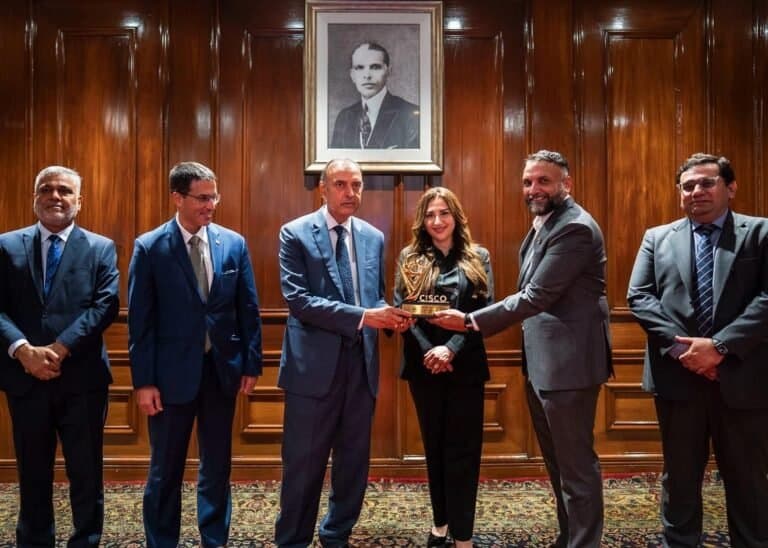
Federal Information Minister Attaullah Tarar and Industries Minister Haroon Akhtar Khan jointly chaired a meeting of the newly formed Auto Industry Committee on Saturday, as the government moves to finalise a new auto policy aimed at cheaper cars, cleaner air and stronger exports. The meeting brought together stakeholders from across the auto sector, and the committee is now preparing its recommendations in consultation with the industry.
Tarar said the new auto policy will reduce petrol imports, improve the environment and bring down car prices. He said the government is taking practical steps to make cars more affordable, cut pollution and boost exports, adding that the policy would support both the industry and consumers.
ADاشتہار / AdvertisementGoogle Ad
Haroon Akhtar said the policy was prepared after consultation with all stakeholders and will improve vehicle safety, standards and quality while boosting exports. He said the policy will be finalised after the committee’s recommendations and formally announced once it is approved by the federal cabinet.
According to Radio Pakistan, the framework rests on six pillars: lower-cost vehicles for middle and lower-middle income buyers, higher exports, wider use of electric vehicles, greater local manufacturing, improved vehicle safety and greater transparency. Khan said customs duties on imports have been cut to bring down production costs, which he expected would make locally built vehicles easier for low-income buyers to afford. Lowering the prices of vehicles with engines below 1300cc is a special priority for the prime minister, he added.
The government has set a target of $6 billion in automobile-related exports over the next five years, with new measures to deepen localisation and boost car exports. Prime Minister Shehbaz Sharif had already given in-principle approval to the five-year framework, known as the Automotive Industry Development and Export Policy 2026-31, in October, and the completed draft was approved before being sent on for further government approval. Final clearance and enabling legislation are still required before the fiscal measures can take effect.
Electric vehicles at the centre of the plan
Electric and new-energy vehicles sit at the centre of the plan. Under proposals reported earlier, battery electric vehicles would attract just 1 percent sales tax, against 6 percent for range-extended electric vehicles and 9 percent for plug-in hybrids, while hybrid and conventional petrol and diesel vehicles would remain at 18 percent. Small imported electric cars valued under $15,000 could face only 5 percent customs duty in the first two years of the policy, and the government has proposed bringing the average import tariff down to 15 percent by 2030-31.
Officials have noted that around 80 percent of environmental pollution is caused by vehicular emissions, which is why encouraging electric and hybrid vehicles is central to the government’s climate strategy. Financing limits for electric vehicles are proposed to rise from Rs3 million to Rs10 million, with loan tenures extended from three to five years.
Pakistan’s car market has long been dominated by a small number of local assemblers, and buyers have often complained about the high price of new vehicles. The new policy aims to move the sector beyond import reliance and basic assembly towards domestic manufacturing with stronger export potential. For vehicle bookings, manufacturers would be barred from demanding an advance of more than 20 percent of a vehicle’s price.
Tags:auto exportsAuto Policy 2026-31car prices Pakistanelectric vehiclesHaroon Akhtar KhanPakistan auto policy
Related Coverage