ADاشتہار / AdvertisementGoogle Ad
Govt, JI resume talks on cutting petroleum levyPakistan
Jamaat-e-Islami wants phased relief on fuel taxes, and has warned of a long march if its demands are not met.
Share:
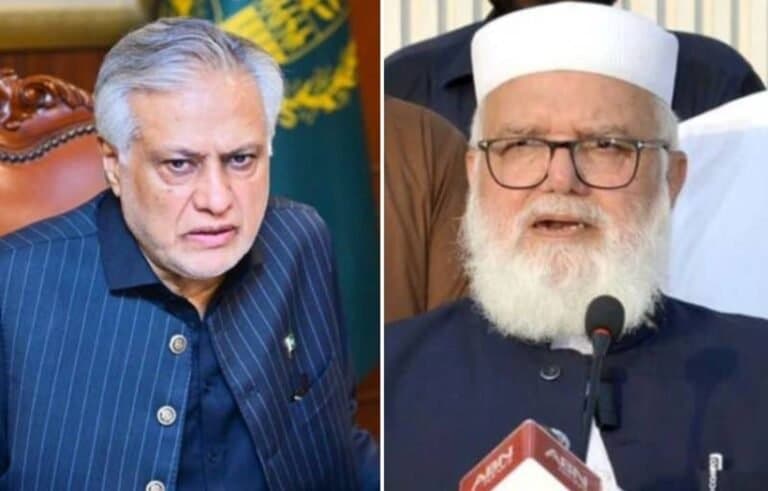
The government and Jamaat-e-Islami resumed negotiations in Islamabad on Tuesday over the petroleum levy, with the party pressing for substantial relief for the public and a gradual withdrawal of the levy. The talks were held at the office of Deputy Prime Minister and Foreign Minister Ishaq Dar, at the Ministry of Foreign Affairs.
The Jamaat-e-Islami team consisted of Liaquat Baloch, Syed Farasat Shah and Engineer Nasrullah Randhawa. The government side was represented by Ishaq Dar, Ahsan Iqbal and Rana Sanaullah. Together, the two sides form a six-member joint committee working on the issue.
ADاشتہار / AdvertisementGoogle Ad
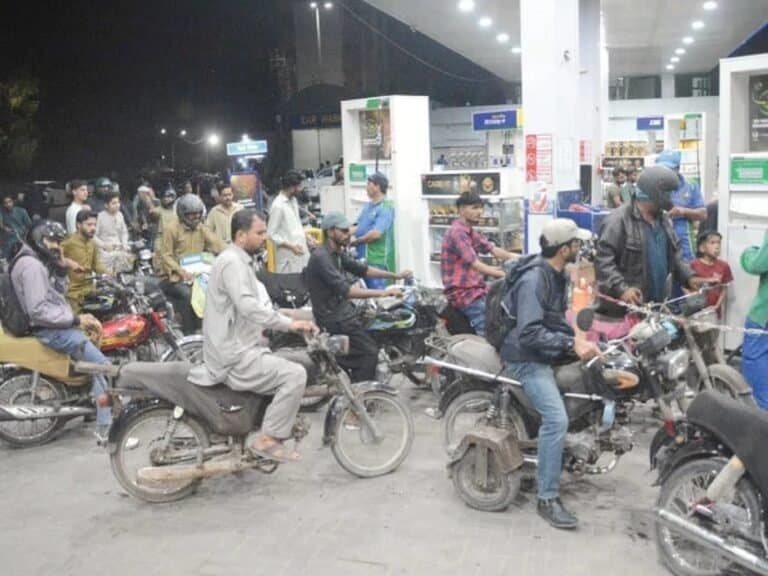
The petroleum levy is a tax charged on fuel, and it feeds directly into the prices people pay at the pump. Because fuel prices affect transport costs, food prices and the cost of running businesses, any change in the levy is felt far beyond petrol stations. That is why the levy has become a central point of contention between the government, which relies on the revenue, and opposition parties, which argue that it places an unfair burden on ordinary households.
According to 24 News HD, the talks covered a phased reduction of the levy and extending fuel relief to low- and middle-income households. The idea of a phased approach is significant: rather than removing the levy all at once, which would leave a sudden gap in government revenue, the two sides are discussing a step-by-step reduction that would give households relief while allowing the government to adjust its finances.
Jamaat-e-Islami has linked the talks to a wider set of demands on energy tariffs and fuel taxes. Liaquat Baloch warned, according to 24 News HD, that the party would proceed with a planned long march from Multan to Islamabad in mid-November if its demands are not accepted. The warning gives the negotiations a clear deadline and raises the political stakes for both sides.
The government, for its part, faces a difficult balance. Fuel taxes and levies are an important source of revenue at a time when public finances remain under pressure. At the same time, high fuel prices are deeply unpopular, and the government will be aware that continued pressure on household budgets can quickly turn into wider political discontent.
The resumption of talks suggests that both sides see value in keeping the negotiation channel open. For Jamaat-e-Islami, the talks offer a chance to secure tangible relief for its supporters and for the wider public. For the government, they offer a way to manage a sensitive issue without an immediate confrontation on the streets.
What happens next will depend on whether the two sides can agree on the pace and scale of any reduction. A phased cut that brings real relief to low- and middle-income households could defuse the immediate tension. If the talks stall, the party’s planned long march in mid-November could become the next flashpoint in the dispute over fuel prices.
Related Coverage