

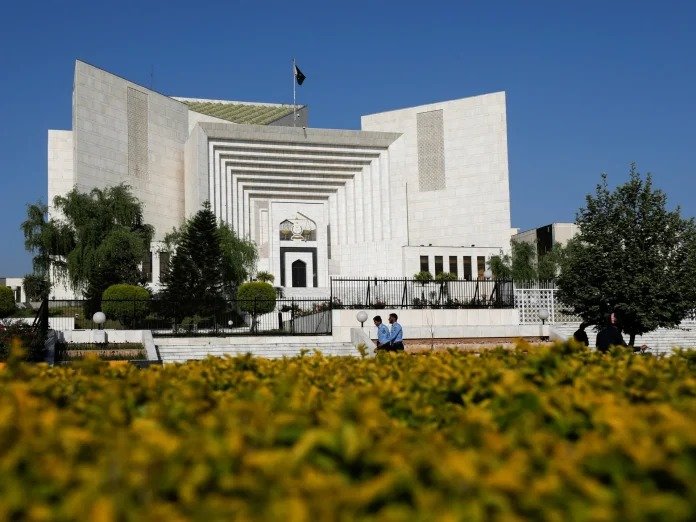
ISLAMABAD: The Supreme Court of Pakistan has reaffirmed that the payment of dower (haq mehr) specified in a marriage contract (Nikahnama) is a mandatory legal obligation of the husband and cannot be evaded under any circumstances.
READ MORE: Defensive Cyber Operations: 10 Powerful Blue Team Strategies for Ultimate Network Security
Hearing a set of petitions concerning dowry and dower disputes, Chief Justice of Pakistan Justice Yahya Afridi observed that marriage creates a binding legal relationship in which the husband must honor all conditions agreed upon and documented in the Nikahnama, including the full payment of haq mehr.
The Chief Justice stressed that the amount mentioned in the dower column of the marriage contract carries both legal and moral weight, making it compulsory for the husband to pay exactly what was agreed at the time of marriage.
During the proceedings, counsel for one petitioner argued that the agreed dower—40 tolas of gold—was excessive and suggested reducing it to 20 tolas. Responding to this, Chief Justice Afridi remarked that fulfilling the agreed amount could help maintain harmony in the marriage, noting that ensuring the wife’s satisfaction is the husband’s responsibility.
The court further clarified that it cannot intervene in private family arrangements that are based on mutual consent, as such agreements fall squarely within the contractual framework of marriage.
After hearing the arguments, the Supreme Court dismissed multiple petitions related to dowry and haq mehr. The case was heard by a two-member bench led by Chief Justice Yahya Afridi.
For the latest news, follow us on Facebook DAILY HAYAT - Mirpur A.J.K