ADاشتہار / AdvertisementGoogle Ad
AJK Shutdown in Six Districts as JAAC Offers TalksAzad Kashmir
Markets stayed partially shut in six districts of Azad Jammu and Kashmir on Monday as the Joint Awami Action Committee offered talks and appealed to the army chief to end security operations in Rawalakot.
Share:
A partial shutdown was observed on Monday across six districts of Azad Jammu and Kashmir in response to a protest call by the Joint Awami Action Committee (JAAC), which has also offered negotiations with the authorities and appealed to Pakistan’s military leadership to halt security operations.
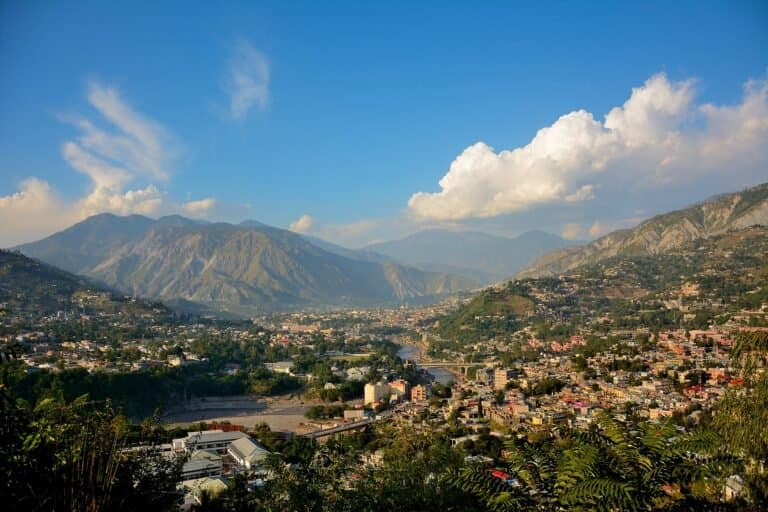
Markets and commercial establishments remained partially closed in Muzaffarabad, Haveli, Neelum, Kotli, Mirpur and Bhimber, while business activity continued largely uninterrupted in Bagh and Jhelum Valley. The uneven response reflected varying levels of support for the protest call across the region, although demonstrations and commercial closures extended well beyond Rawalakot, the centre of the latest confrontation.
ADاشتہار / AdvertisementGoogle Ad
The shutdown followed a call issued by the JAAC on November 7 in protest against security operations in Rawalakot, where several civilians were reportedly killed during confrontations involving security forces between November 5 and 7.
The casualty figures remain disputed and could not be independently reconciled. Initial accounts from Rawalakot reported three civilian deaths and at least 18 injuries. Subsequent reports suggested a higher toll, with some accounts putting the number of fatalities at seven. The JAAC has reported five deaths in the immediate confrontation.
In a letter dated November 8, the action committee appealed to Field Marshal Asim Munir, Pakistan’s army chief, to intervene and bring an immediate end to security operations in Rawalakot and other affected areas. The committee also wrote to Jamiat Ulema-e-Islam chief Maulana Fazlur Rehman and Dr Mushtaq, seeking their help in facilitating a peaceful settlement.
In its letter, the JAAC alleged that drones, mortar shells and other heavy weapons had been used against protesters, and claimed that around 150 people had been killed since the protest movement began in June, although that cumulative figure has not been independently verified. Protest representatives have accused security forces of using heavy weapons against demonstrators and residential areas. Police, however, have maintained that armed individuals attacked security personnel during operations to clear protest encampments and reopen roads.
In a parallel development, the JAAC’s overseas advisory committee issued a separate proposal on November 8, offering immediate negotiations with the authorities under the supervision of independent observers. It proposed that authorised delegations from the government and the JAAC meet within 24 hours at a mutually acceptable neutral location, with an immediate cessation of firing, a verified list of detainees to be released, and the restoration of mobile and internet services in affected areas.
The Human Rights Commission of Pakistan has expressed concern over the violence in Rawalakot and called for meaningful dialogue and independent media access to the affected areas. However, there was no confirmed indication by Monday evening that the authorities had accepted the proposed timetable or agreed to negotiations in the presence of independent observers.
Tensions also surfaced in Jhelum Valley on November 8, when protesters reportedly attempted to obstruct the route of Prime Minister Barrister Syed Iftikhar Ali Gilani as he returned from an official visit. According to local accounts, stones were placed on the road in an attempt to stop his convoy, and several people were reportedly detained, although their identities and the precise number of arrests were not immediately available.
With protests now extending across several districts, the coming days are likely to test whether the authorities respond to the committee’s offer of negotiations or continue to rely primarily on security measures.
Related Coverage