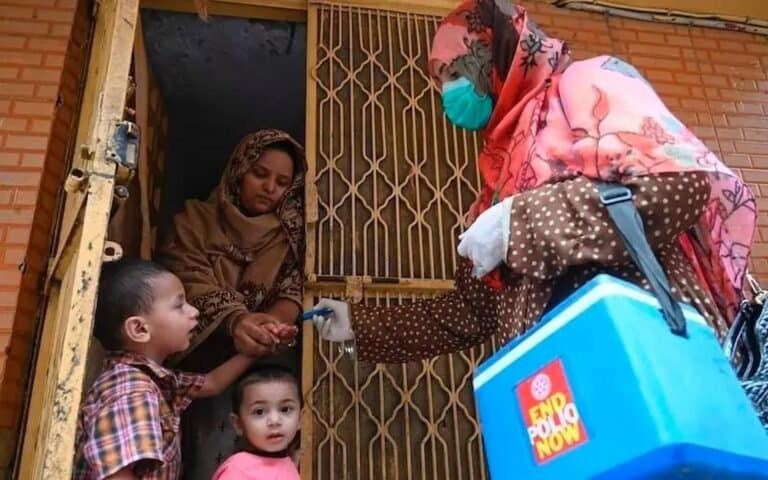
The World Health Organization has announced the start of the first clinical trial of an Ebola vaccine in the Democratic Republic of Congo, where the country’s worst-ever outbreak of the disease continues to spread. The trial, named Tumaini — meaning “hope” in Swahili — began on Friday in Bunia, the capital of the north-eastern Ituri province and the epicentre of the outbreak.
WHO Director-General Tedros Adhanom Ghebreyesus announced the development in a social media post, saying the first participants had been vaccinated. “Science gives us hope,” he wrote. “This trial will help us understand whether any of the vaccine candidates designed for Bundibugyo virus work.” He added that the WHO is supporting what he described as a DRC-led effort to find answers and save lives.
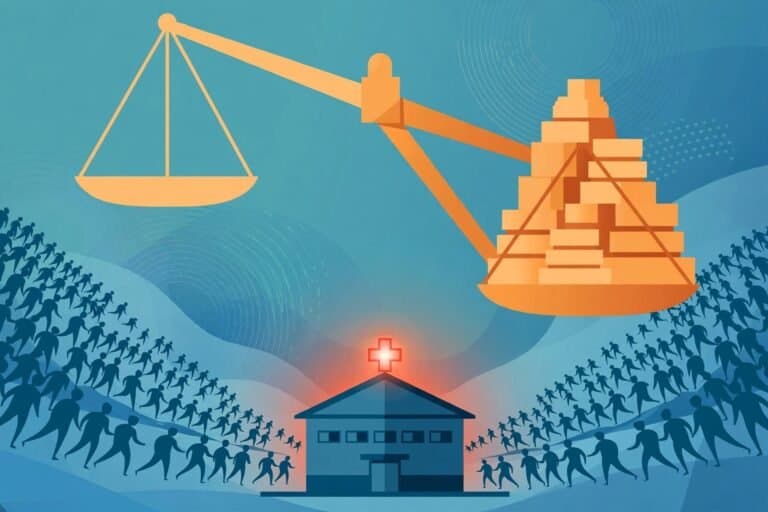
The trial matters because there is currently no approved vaccine against the Bundibugyo species of Ebola behind this outbreak. The first vaccine to enter the trial is Ervebo, which is licensed to prevent disease caused by the more common Zaire strain of Ebola. Researchers will now test, at full scale, whether it offers any cross-protection against Bundibugyo.
The Tumaini trial is designed as a single framework that can test the safety, efficacy and immunogenicity of several vaccines. It will use a ring vaccination approach, immunising contacts considered at higher risk of infection. The trial will include pregnant women and children aged 12 years and older, groups that are often excluded from clinical trials.
Two vaccines designed specifically against Bundibugyo are expected to join the trial shortly. One is a ChAdOx1 adenoviral vector vaccine being developed at the University of Oxford, and the other uses messenger RNA technology and is being developed by the US biotechnology company Moderna. Both have received funding from the Coalition for Epidemic Preparedness Innovations.
The DRC declared its latest Ebola outbreak in May, and it has since become the deadliest in the country’s history, with more than 9,700 cases reported and over 4,600 deaths. The WHO has declared the outbreak a public health emergency of international concern, its second-highest alert level. Cases linked to the outbreak have also been reported in other African countries, giving it the widest geographic spread of any Ebola outbreak on the continent to date.
Health officials say the trial alone will not end the outbreak. Controlling Ebola also depends on finding cases early, tracing contacts, isolating patients and ensuring that communities trust the response. The WHO’s emergencies director, Chikwe Ihekweazu, said the trial was set up to generate the rigorous evidence needed to determine whether the participating vaccines can protect people at risk.
For families in Ituri and beyond, the start of the trial offers a measure of hope after months of loss. Whether Ervebo or the newer candidates prove effective against Bundibugyo will only become clear as evidence accumulates, but researchers say answering that question is essential — not only for this outbreak, but for the next time the virus emerges.