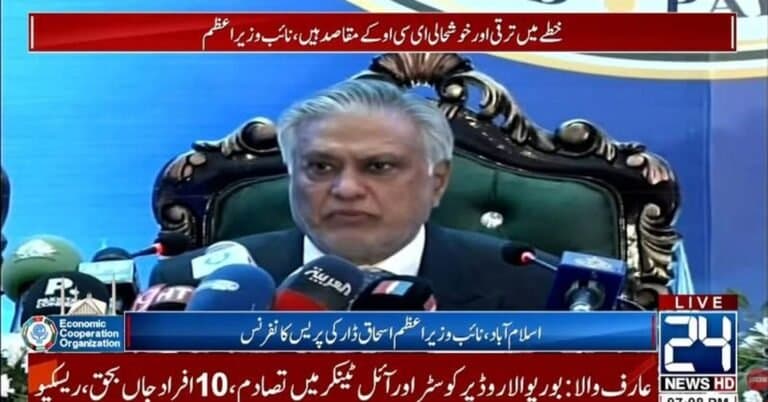
Deputy Prime Minister and Foreign Minister Ishaq Dar has said Pakistan has conveyed a message from Iran to the United States and is awaiting a response from Washington, reaffirming Pakistan’s commitment to diplomatic engagement despite international sanctions on Iran.
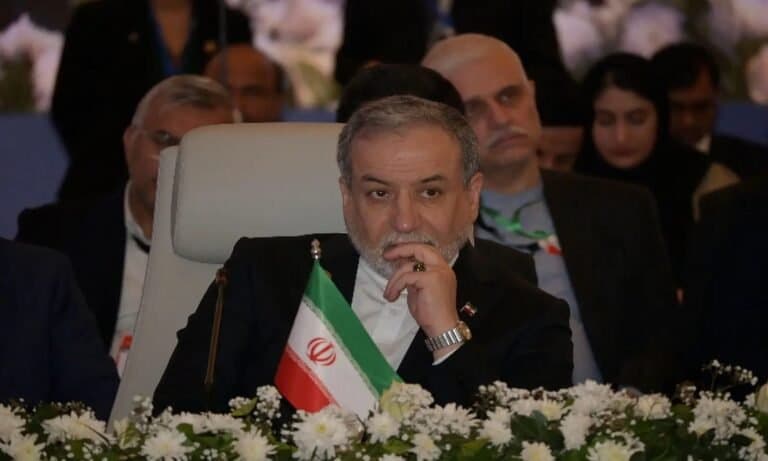
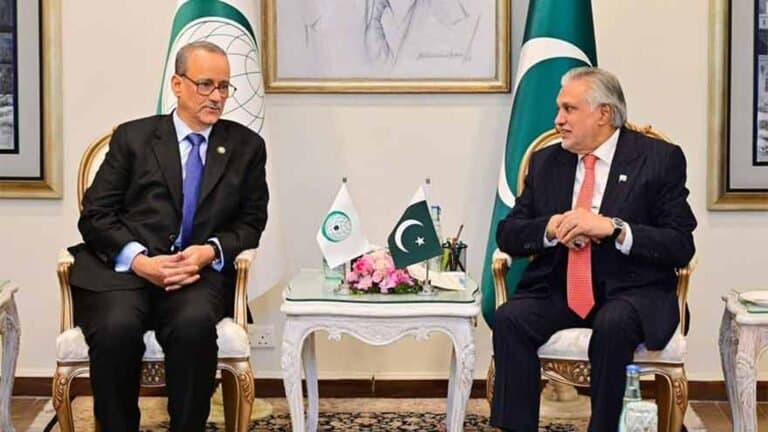
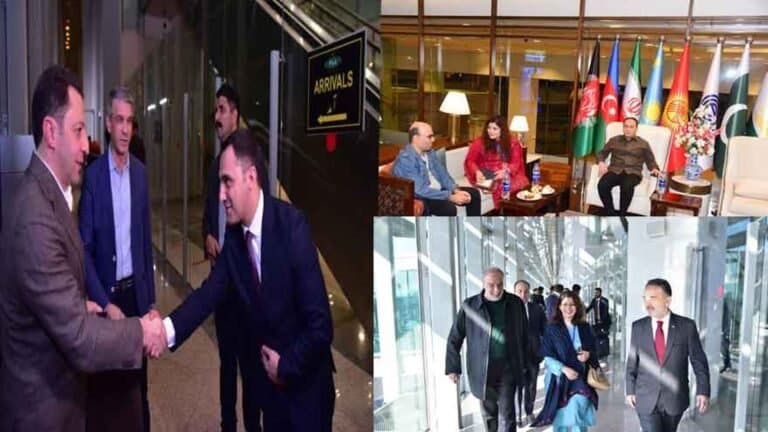
Dar was speaking at a joint press conference after the Economic Cooperation Organisation (ECO) Council of Foreign Ministers meeting in Islamabad, also attended by ECO Secretary-General Asad Majeed Khan and Information Minister Attaullah Tarar, according to the report.
Dar said Pakistan had not abandoned hope regarding cooperation with Iran and remained committed to implementing the Islamabad Understanding. He said sanctions would not remain in place forever and expressed hope that cooperation and economic activities would resume fully once the restrictions were lifted.
The deputy prime minister said Pakistan had consistently adhered to international law and the United Nations Charter while pursuing regional cooperation.
Relations with Afghanistan
Turning to relations with Afghanistan, Dar said Pakistan had no dispute with the Afghan people, but terrorist groups operating from Afghan territory remained a serious concern. “We have no issue with Afghanistan or the Afghan people. Our issue is solely with terrorists, wherever they may be,” he said.
Dar said the Tehreek-e-Taliban Pakistan (TTP) and other terrorist organisations posed genuine security threats. He said a Pakistani delegation had visited Afghanistan in April 2025 for detailed discussions on security, making it clear that Afghan territory must not be used against any neighbouring country, including Pakistan.
He said diplomatic efforts by Turkiye, Saudi Arabia and China following the visit had failed to produce the desired results. Despite the security concerns, Dar said, Pakistan had continued facilitating humanitarian assistance to Afghanistan.
The deputy prime minister said Pakistan allowed 1,000 containers of humanitarian aid to enter Afghanistan following a request from the United Nations. He said Pakistan had also worked to facilitate the CASA-1000 electricity transmission project, whose financial support was suspended following the Taliban’s return to power.
Discussing regional security, Dar called for the establishment of a regional security architecture, describing the Makkah Joint Defence Agreement as a step towards strengthening collective security. He said the agreement was fully consistent with the United Nations Charter and that greater participation by regional countries would help strengthen cooperation.
The deputy prime minister said the agreement’s apex committee, the SPDC, would meet in Islamabad later this month.
Responding to a question about Afghanistan’s absence from the ECO meeting, Dar said the country’s membership was currently suspended. He said the former democratic government remained the recognised member, while the current Afghan administration could not be invited, and that was why Afghanistan was not represented.
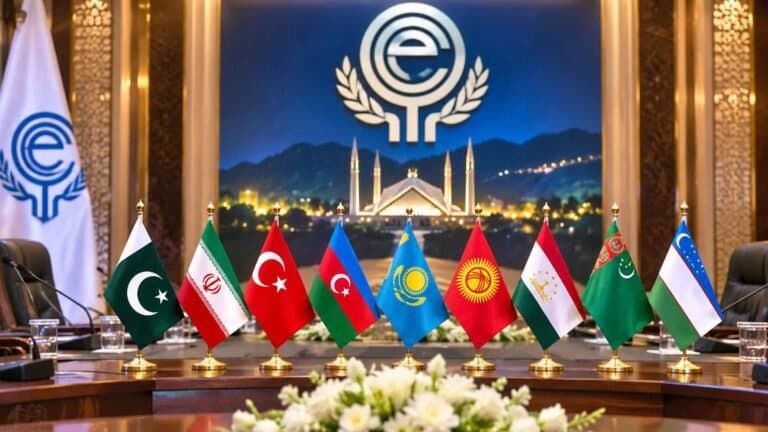
On the outcome of the ECO meeting, Dar announced that member states had approved the Strategic Goals for Economic Cooperation 2035 and adopted the Islamabad Declaration to strengthen regional economic integration. He said Pakistan had assumed the chairmanship of the ECO Council of Ministers for a two-year term under the theme “Revitalising Regionalism for a Resilient ECO”.
Dar also referred to Pakistan’s role in facilitating the adoption of United Nations Security Council Resolution 2788 last year, saying the resolution had subsequently been used in efforts to halt the conflict between Cambodia and Thailand. He said Pakistan would continue promoting regional cooperation and diplomatic engagement in accordance with international law and the United Nations Charter.