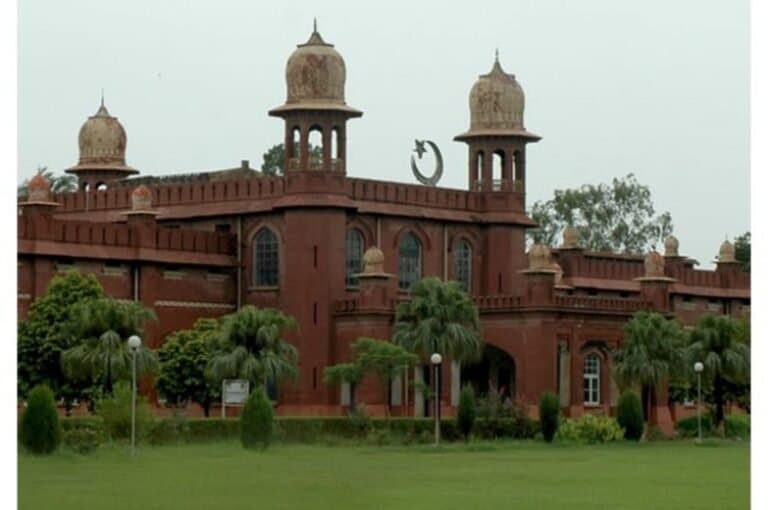



Accompanied by Prof Dr Muhammad Nasiruddin Khan, the Pakistani Director of the Confucius Institute at Karachi University, the vice chancellor attended the institute’s annual board meeting on 17 November, which was chaired by Sichuan Normal University President Prof Zhu Jiming.
Addressing the meeting, Prof Qazi said there was considerable scope for expanding academic and institutional cooperation between Karachi University and Sichuan Normal University, and set out the areas in which the two institutions could work together.
The proposed areas of collaboration include cybersecurity, campus surveillance and security infrastructure, establishing a museum at Karachi University, introducing electric vehicles for campus transportation, agricultural research and innovation, and food security.
The visit had been planned in advance. CPEC Info reported on 23 October that Prof Qazi intended to visit China in November, with proposals including a museum at Karachi University among the items on the agenda.
The areas under discussion cover some of the most practical challenges facing a large public university. Cybersecurity and campus surveillance relate to protecting the university’s digital systems and improving safety on campus, while electric vehicles for campus transport point to a shift towards cleaner mobility within the university.
Agricultural research and innovation, together with food security, reflect a wider national concern in Pakistan, where improving crop yields and making food supplies more reliable remain central to research at agricultural universities and departments.
A museum at Karachi University would add a new cultural and academic facility to the campus, giving students and researchers a dedicated space for exhibitions and collections.
The report did not say whether a formal agreement was signed during the visit, or give a timetable for when any of the proposed projects would begin. For now, the visit appears to have set out the agenda for cooperation, with the details of individual projects to be worked out between the two universities.
If the partnership moves ahead, it would add to the academic links Karachi University already maintains with Chinese institutions through the Confucius Institute, which has served as the main channel for academic and cultural exchange between the two sides.