Pakistan’s estimated $8 trillion mineral wealth could become a major source of economic growth, with one major project alone capable of increasing the country’s exports by around 10 per cent, Federal Minister for Petroleum Ali Pervaiz Malik has said.
In an interview with 24NewsHD on Friday, Malik said the first phase of the project could bring in $3 billion in exports, while Pakistan’s total exports currently stand at around $30 billion to $32 billion.
Pakistan’s mineral reserves are estimated at around $8 trillion, spread across about 600,000 square kilometres, according to a report by the Oil and Gas Development Company (OGDCL) and the Institute of Cost and Management Accountants of Pakistan. The country has 92 known minerals, 52 of which are commercially exploited, yet mining has historically contributed less than 3 per cent to gross domestic product.
The report suggests that with effective policies and greater investment, annual mineral exports could rise from about $3 billion to $8 billion. Reko Diq, the flagship copper and gold project in Balochistan, is targeting first production by the end of 2028, according to project reports, with first-year shipments projected to generate export revenues of about $2.8 billion.
Malik said the government was working to improve the mining sector, simplify rules and attract foreign investors to develop the country’s mineral resources. He said mining had long been carried out using outdated methods, and irresponsible use of explosives had led to the loss of nearly half of valuable mineral resources.
He said the government wanted to simplify rules and procedures so investors could start mining projects without having to deal with several different laws and departments. Mineral resources belonged to the provinces, he said, while the federal government could support mining projects by providing roads, other infrastructure and electricity. Provincial chief ministers had also been invited to join the national mining development plan.
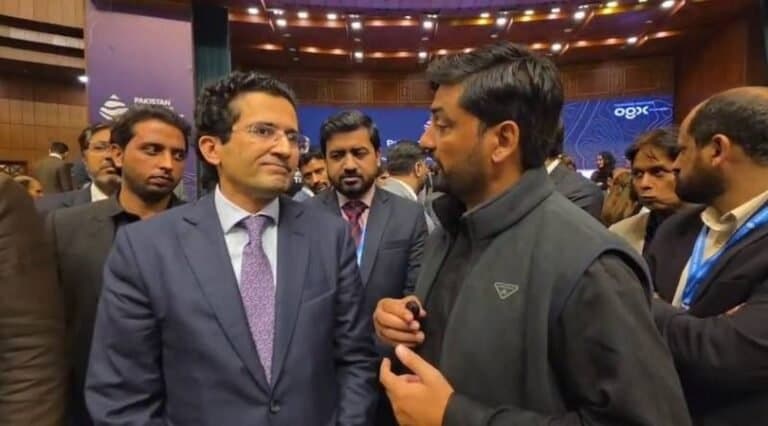
The minister was speaking on the sidelines of the Pakistan Minerals Investment Forum, held in Islamabad on November 12 and 13. He said the exhibition area was three to four times larger than at the previous event, with major mining companies from Turkiye, Canada, the United Kingdom and other countries taking part, including Barrick, one of the world’s largest mining companies.
Malik said agreements and memorandums of understanding had been signed at the previous forum, while new agreements were also reached this time. However, he said the real challenge was to turn these commitments into working projects, expressing hope that some projects could become reality within two years, while others might take three years.
He said the Petroleum Ministry had a separate minerals directorate to manage the work and improve cooperation with international partners. The government planned to launch two or three pilot projects to show how mining could be carried out according to international standards and to discourage illegal extraction.
Malik stressed that local communities must also receive direct benefits from mining projects, saying this would help prevent illegal mining. The forum also heard calls from the country’s military leadership to turn mineral wealth into economic prosperity.