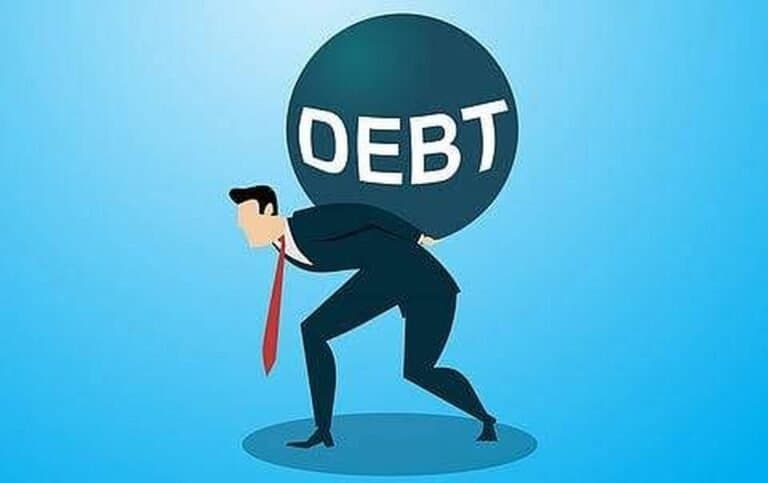
The external debt of developing countries jumped at its fastest pace since the pandemic in 2025, hitting a record $9.4 trillion, the World Bank said on Thursday.
Private financing drove most of the increase, with borrowing from private creditors and bond issuance by public enterprises rising by nearly 35 percent. External debt grew the most among the most vulnerable countries, the Bank said.
Governments issued new bonds in part to buy back maturing debt, but the return of private lending has come at a steep price. Private lenders offer higher rates than the World Bank and the International Monetary Fund, and the poorest countries paid an average of 8.2 percent on new loans and bonds from the private sector, the highest since 1989.
Low- and middle-income countries paid $1.4 trillion in loan and interest repayments in 2025, up 1.9 percent on the year before, the fifth consecutive annual increase. Between 2022 and 2025, developing countries paid $436 billion more in debt servicing than they received in new financing.
In a statement, the World Bank said access to international finance had improved, but the price of finance had not, and high debt burdens in the poorest countries threatened to crowd out essential investments in people. The Bank added that debt-service pressures remained severe amid elevated global interest rates.
Haishan Fu, the chief statistician at the World Bank Group, said the return of private lending was welcome, but that these countries were borrowing more, paying more, and in many cases leaving less for long-term development.
The Bank warned that the global economy was more prone to shocks, citing the pandemic, inflation driven by wars in Ukraine and Iran, and an upended global trade order due to United States tariffs.
The figures underline a difficult trade-off for developing countries. They need external finance to fund infrastructure, health and education, but the cost of that finance is eating into the money available for exactly those investments.
For the poorest countries the burden is heaviest. Paying more than eight percent on new borrowing, when richer countries borrow far more cheaply, leaves little room for spending on schools, hospitals and roads.
The World Bank’s warning is that without cheaper finance, or relief on existing debts, the debt burden will continue to squeeze development spending in the countries that can least afford it.
Economists will now watch whether private lending continues to grow, and whether the cost of borrowing eases, as the Bank’s figures suggest the current path leaves developing countries paying more out than they take in.