Pakistan formally assumed the chairmanship of the Intergovernmental Group of Twenty-Four, known as the G-24, on Sunday, 1 November 2026, the finance ministry announced. The handover gives Pakistan the leading role in a bloc that speaks for developing economies in discussions with the International Monetary Fund and the World Bank.
Finance Minister Muhammad Aurangzeb, who will chair the group, described the role as a profound responsibility. In a statement issued by the finance ministry, he called for renewed international cooperation, stronger multilateral institutions and reinforced global commitments to address climate shocks, gaps in development financing and growing fragmentation in the world economy.
The ministry set out three strategic priorities for Pakistan’s chairmanship. The first is to place development at the centre of global economic policymaking, so that stability supports investment, jobs and shared prosperity rather than crisis management alone. The second is to strengthen the representation of developing countries in international institutions, with fairer governance and more meaningful participation in decision-making. The third is reform of the international financial architecture itself, including faster and more affordable development lending, workable solutions to debt pressures, stronger global safety nets and more funding for climate resilience.
The G-24 was established in 1971 to coordinate the positions of developing countries on international monetary and development finance issues. Its members span Africa, Asia, Latin America and the Caribbean, and the group works through consultation, consensus and collective advocacy, engaging with the IMF and the World Bank ahead of their major meetings.
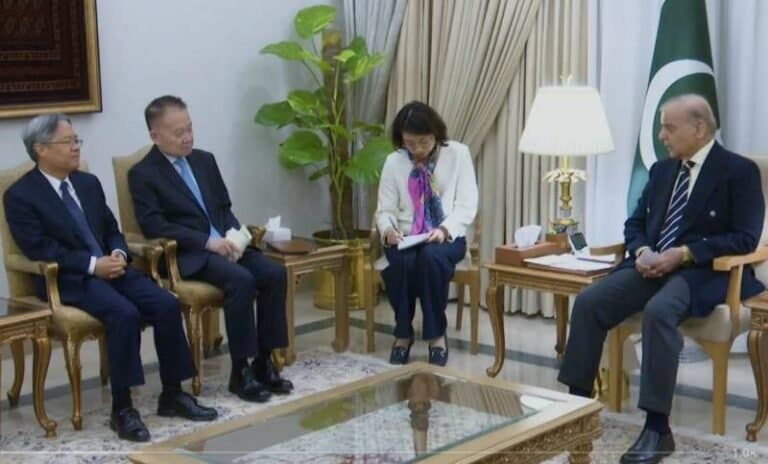
Prime Minister Shehbaz Sharif welcomed the handover, calling it a significant diplomatic milestone and a recognition of Pakistan’s role on the global economic stage. According to the Prime Minister’s Office, he commended the finance minister and the finance ministry team for their diplomacy during the annual meetings of the World Bank and the IMF, and said the chairmanship would give Pakistan an influential platform to advocate for reforms in the global financial system, equitable financial support to combat climate change and sustainable development opportunities for emerging economies.
Pakistan takes over the chair from Nigeria, whose leadership as outgoing chair the finance minister acknowledged, pledging to build on the group’s progress. The transition follows the group’s ministerial meeting in Bangkok in October, where Pakistan, then in the role of first vice-chair, had already set out the same three priorities.
The chairmanship is an advocacy role rather than a decision-making one: the G-24 does not itself lend money or set IMF and World Bank policy, but it shapes the common positions that developing countries take into negotiations with those institutions. Pakistan’s agenda will therefore be judged by whether its priorities find their way into the group’s agreed statements and the wider reform debate.
For Pakistan, the year also carries a domestic signal. The government has presented the chairmanship as evidence of its standing in international economic forums at a time when it is seeking greater access to development finance and support for climate resilience. Whether that standing translates into tangible gains for developing countries more broadly will depend on the coalition Pakistan can build among members with very different economies, debts and climate risks, and on the willingness of larger shareholders in the global financial system to accept change.