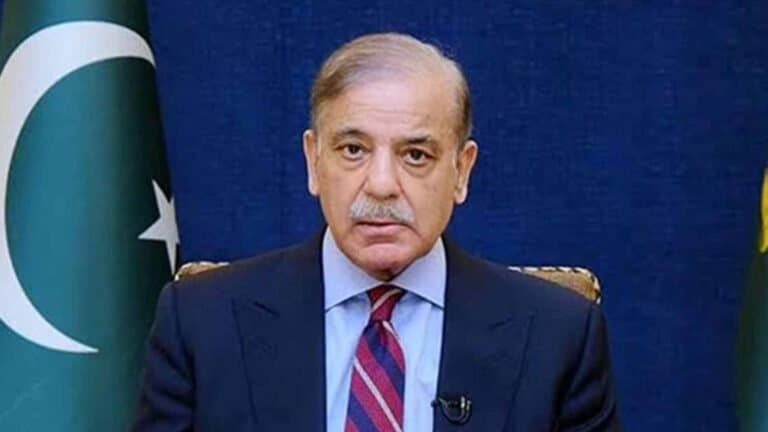
Prime Minister Shehbaz Sharif has banned the use of schools and colleges in Islamabad for accommodating police and security personnel, and directed that teachers be freed from non-teaching duties, in a major decision for the federal capital’s education sector.
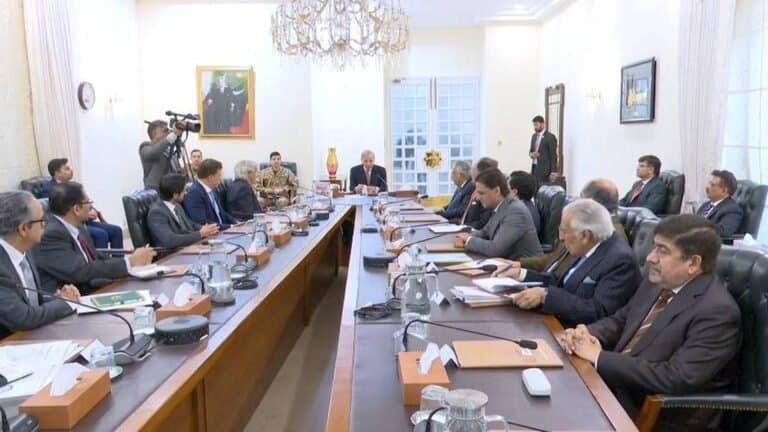
The directives were issued during a meeting on Islamabad’s education sector. Following the meeting, the Prime Minister’s Office sent written instructions to the Ministry of Federal Education and Professional Training, which formally issued an office memorandum communicating the decisions to the Islamabad administration and police.
Under the new orders, buildings, classrooms and other facilities run by the Federal Directorate of Education (FDE) can be used only for educational activities. They cannot be used for police deployment, temporary camps, detention facilities or other security operations.
The prime minister also ordered an end to non-teaching responsibilities assigned to teachers, including election duties, census operations and household surveys. The Ministry of Education has directed the authorities to immediately withdraw all such assignments, so that teachers already on non-teaching duties can return to their core responsibility of teaching.
The ministry has also sent the memorandum to the Interior Secretary and the Chief Commissioner Islamabad to ensure the instructions are implemented. The decision comes after 38 public-sector schools and colleges in Islamabad were closed for one to three weeks in September to accommodate police personnel ahead of an anticipated protest.
The schools decision is part of a wider overhaul of government education in the federal capital that the prime minister ordered earlier. In a high-level meeting on the condition of Islamabad’s government schools, he directed the immediate implementation of comprehensive reforms covering infrastructure, curriculum, teacher training, student transport, healthcare and nutrition, and tasked Planning Minister Ahsan Iqbal with addressing the problems within one week. The package includes smart boards in classrooms, turning the Federal Directorate of Education into a more effective supervisory institution, recruiting teachers strictly on merit, expanding school bus services — a survey found 278 government buses operating for students — installing ramps for students with physical disabilities, and a free lunch programme for primary-level pupils.