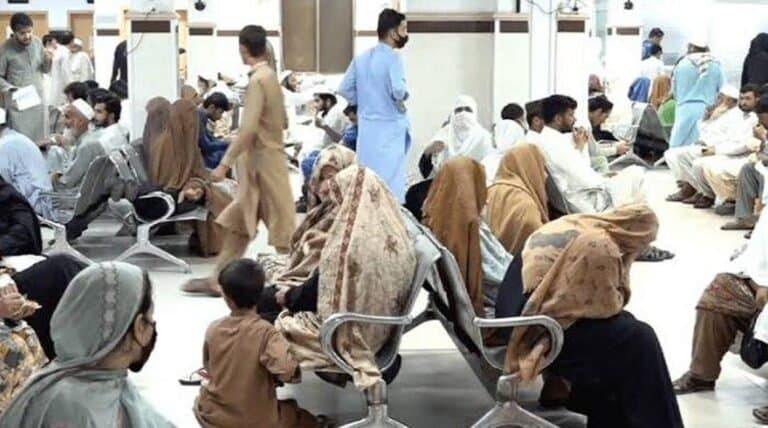



Public teaching hospitals across Punjab are facing a shortage of around 1,600 ventilators, a gap that is affecting the availability of intensive care facilities for critically ill patients, according to a report by 24NewsHD TV.
Ventilators provide life-saving respiratory support to patients who cannot breathe on their own, and they are among the most essential pieces of equipment in any intensive care unit. When ventilators are in short supply, hospitals struggle to admit seriously ill patients to intensive care, and the pressure on the beds and machines that are available grows heavier.
The report said the Specialized Healthcare Department had planned to purchase ventilators during the previous fiscal year, but that plan could not materialise. No reason for the delay was given in the report.
For the current fiscal year, the department has initiated the procurement process for 450 new ventilators. It has also approached the federal government to secure the foreign exchange allocation needed for the purchase, the report said.
Even if all 450 ventilators are delivered, the shortage will not be fully resolved. According to the report, public teaching hospitals will still face a shortfall of around 1,200 units once the new machines arrive.
The continuing gap means that intensive care facilities across the province will remain under strain. Doctors and hospital administrations will have to keep making difficult choices about which critically ill patients can be placed on ventilator support, while the planned procurement moves through its stages.
The report did not name any individual hospital or give a timeline for when the new ventilators are expected to reach the hospitals. It also did not say how the foreign exchange allocation request to the federal government has been received.
For now, the figures underline the scale of the challenge facing Punjab’s public health system: a shortage of around 1,600 ventilators today, 450 on the way, and a remaining gap of about 1,200 even after the current purchase is complete.
Medical equipment such as ventilators is often imported, which is why the foreign exchange allocation sought from the federal government forms an important part of the purchase process. Until that allocation and the procurement are completed, the province’s teaching hospitals will continue to manage intensive care with the ventilators they already have.