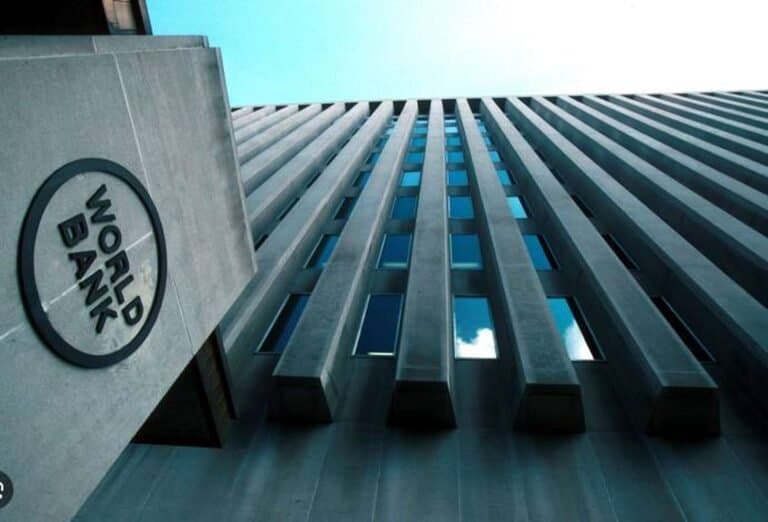
The financing will support the Sindh Transformational Accelerated Rural Water Supply, Sanitation, and Hygiene Services Phase 1 Project, known as STAR WASH-1. The World Bank said its Board of Executive Directors approved the financing on November 13.
STAR WASH-1 is the first phase of a four-phase programme to be implemented over 10 years. The total cost of the first phase is $540 million, including $150 million from the Asian Development Bank and $90 million in counterpart funding from the Government of Sindh.
The project will finance climate-resilient infrastructure, including solar-powered water supply systems and improved sanitation systems in selected rural areas of the province. It also includes a programme to improve personal and environmental hygiene and to shift service delivery towards safer and more sustainable rural water and sanitation systems.
According to the World Bank, the project aims to halve water contamination at the point of use and to connect 80 percent of the targeted rural communities to a professional water and sanitation service provider.
The investment is expected to generate more than 14,000 jobs and to support the formalisation of the Sindh People’s Housing for Flood Affectees as a rural water, sanitation and hygiene utility.
Bolormaa Amgaabazar, the World Bank’s Country Director for Pakistan, said unsafe water, sanitation and hygiene remain a major driver of child stunting in Pakistan, adding that the expansion of services in rural Sindh is intended to address one of the root causes. The World Bank said more than half of children under five in rural Sindh suffer from stunted growth.
STAR WASH-1 will provide 1.5 million people with access to safe water and safely managed sanitation and hygiene services, the bank said. The project is part of a broader programme with a total estimated envelope of $2.45 billion, to be implemented in Sindh, Khyber Pakhtunkhwa and Punjab, with the possibility of adding Balochistan later.