The Finnish city of Turku has said it will not host the 2028 world junior ice hockey championship if Russia is allowed to take part in the tournament. The position was set out by the city’s mayor, Piia Elo, in comments reported on Monday, and it places a clear condition on Turku’s role as a host city for one of ice hockey’s showcase youth events.
According to the reports, the mayor linked the stance to Russia’s war in Ukraine, to security concerns, and to the values the city wants to uphold when it stages a major international event. The argument, in essence, is that hosting is not a neutral act: a host city lends its name, its venues and its public spaces to a tournament, and Turku does not want to do that for an event that includes Russia while the war continues.
The city cannot settle the question on its own, however. The final decision on which teams are allowed to take part rests with the International Ice Hockey Federation, the sport’s world governing body. Turku’s statement is therefore best understood as a condition attached to its hosting, rather than as a ruling on eligibility itself. If the federation were to readmit Russia, Turku has signalled that it would step back from the event.
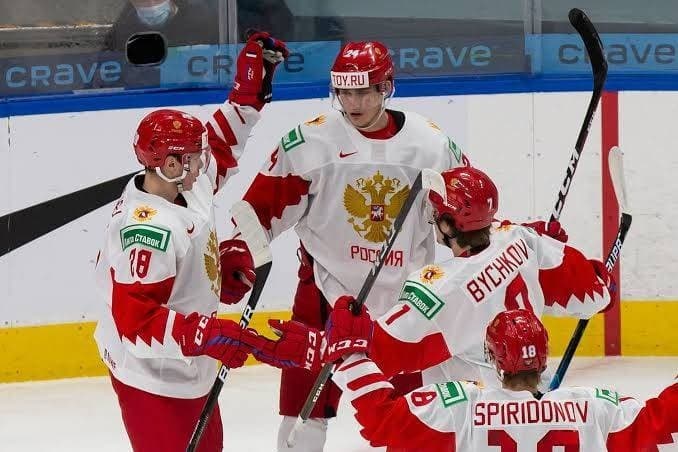
Russia and Belarus have been excluded from international ice hockey since 2022, following the full-scale invasion of Ukraine. That exclusion has kept Russian teams out of world championships and other federation events for several years. The reports note that the federation was expected to revisit the issue, which is why the question of a possible return has come back into focus ahead of the 2028 junior tournament.
For a city like Turku, the junior championship is a major undertaking. The world junior tournament draws young players who are often on the verge of professional careers, along with fans, media and visiting teams from around the hockey world. Hosting it brings attention and visitors, but it also brings responsibility for security, organisation and the public image of the event. A dispute over participation therefore touches the practical side of hosting as well as the political side.
The episode also shows how closely sport and international politics remain linked. Governing bodies in several sports have faced the same dilemma since 2022: whether to keep Russian teams out, under what conditions they might return, and how host cities and other competing nations would react to a change. Each sport has handled the question differently, and each decision has been watched closely by governments, fans and athletes.
What happens next will depend on the federation’s decision and on how Turku responds to it. If Russia remains excluded, the city’s condition would not stand in the way of the tournament going ahead there. If the federation moves towards readmission, Turku’s statement suggests the 2028 event would need a different host, or a different arrangement, unless the position changes.
For now, the message from Turku is unambiguous. The city is willing to host the world’s best young ice hockey players, but not, on its own terms, in a tournament that also includes Russia. That clarity may itself shape the debate, because it forces the federation and other stakeholders to weigh the practical consequences of any change in policy, not just the principle behind it.