Gold prices edged higher in early trading on Wednesday, as falling oil prices eased immediate worries about inflation and investors waited for clearer signals from the United States. Spot gold was up 0.1 percent at 3,931.24 US dollars per ounce by 0306 GMT, while US gold futures for December delivery steadied at 3,941.40 dollars.
Earlier in the Asian session, the metal had traded slightly higher still, with spot gold up 0.2 percent at 3,934.75 dollars per ounce by 0024 GMT and December futures up 0.1 percent at 3,943.20 dollars. The small difference between those readings reflects normal movement through the morning rather than a sharp change of direction, with gold holding broadly steady after a turbulent recent run.
Two forces were pulling in gold’s favour. Oil prices eased by about 1 percent on Tuesday to their lowest level in nearly four weeks, as traders weighed talks aimed at ending wars in Ukraine and the Middle East against worries that recent attacks could still disrupt supplies. Lower oil prices tend to cool inflation expectations, which in turn reduces pressure on central banks to keep interest rates high for longer, and that helps gold, which pays no interest of its own.
The dollar also softened against most major currencies ahead of the outcome of the US midterm elections, with the dollar index trading around 101.57 in early Wednesday trade. A weaker dollar makes gold cheaper for buyers using other currencies, adding a further modest support to the price.
Investors were also looking ahead to key labour market data later in the week. US non-farm payrolls figures due on Friday are expected to give fresh clues about the path of Federal Reserve policy, and traders were reluctant to take large positions before that release. The midterm results themselves were another reason for caution, with markets watching for any shift that could affect spending, trade or fiscal policy.
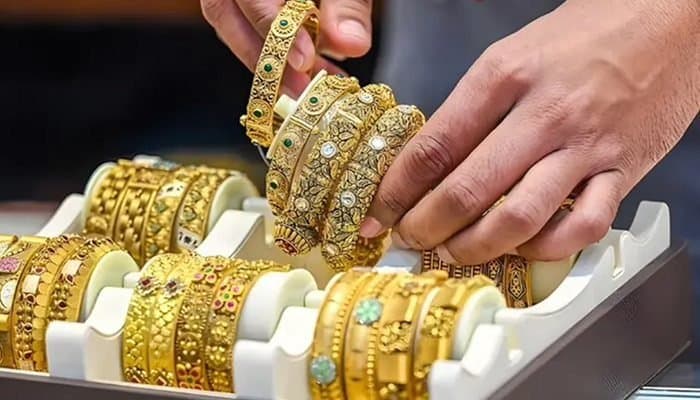
Elsewhere in the gold market, demand in India, one of the world’s largest gold-consuming nations, is expected to fall to a six-year low in 2026, according to the World Gold Council, as high prices weigh on jewellery sales and investment demand moderates. That softer demand outlook helps explain why the recovery in prices has so far been cautious rather than strong.
Gold has swung sharply in recent sessions, rising nearly 2 percent on 2 November before easing back the following day, and Wednesday’s small gain fits that pattern of a market searching for direction. With oil lower, the dollar softer and major US data still to come, traders are likely to keep watching energy prices, currency moves and the jobs report for the next clear signal.