



ADاشتہار / AdvertisementGoogle Ad
Wheat Support Price 2027: PM Sets Rs4,500 per Maundپاکستان
0 ویوز
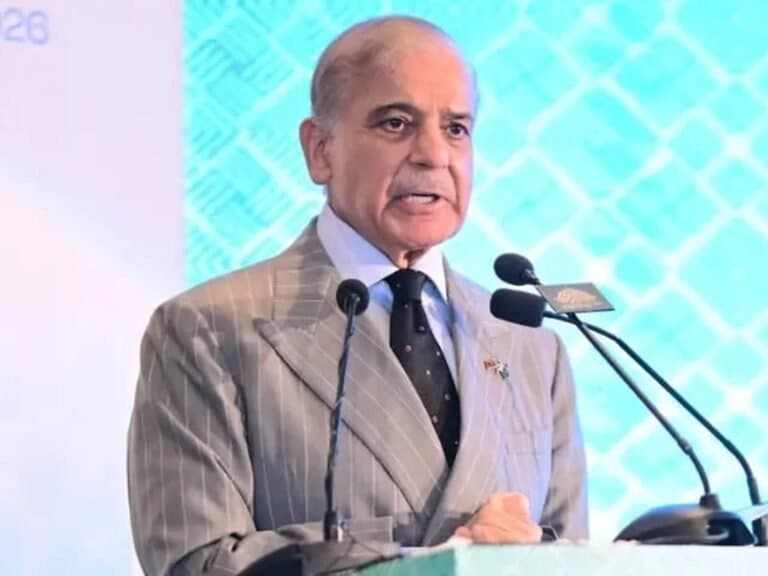
Prime Minister Shehbaz Sharif has fixed the indicative wheat price for the 2027 crop at Rs4,500 per maund, a Rs1,000 increase aimed at shielding farmers from rising input costs and strengthening food security.
شیئر کریں:
Prime Minister Shehbaz Sharif on Friday approved an indicative wheat price of Rs4,500 per maund (40 kilograms) for the 2027 crop, an increase of Rs1,000 over last year’s rate of Rs3,500, in a move aimed at encouraging wheat cultivation and strengthening national food security.
According to a Prime Minister’s Office news release, the prime minister said the increase was meant to provide relief to growers facing higher production costs, rising fuel prices and inflationary pressure. He said giving farmers an effective incentive to sow wheat was among the main objectives of the decision.
ADاشتہار / AdvertisementGoogle Ad
The prime minister said the decision would be an important step towards strengthening national food security, encouraging local production and bringing stability to the agriculture sector. The new price, he said, was expected to help farmers recover their input costs and earn a reasonable profit.
Shehbaz Sharif acknowledged the guidance of President Asif Ali Zardari and Pakistan Muslim League-Nawaz leader Nawaz Sharif in the matter, as well as consultations with the chief ministers of Punjab and Sindh. He expressed special thanks to Punjab Chief Minister Maryam Nawaz for her cooperation and valuable suggestions during the consultative process, and also thanked Sindh Chief Minister Murad Ali Shah for his cooperation.
The proposed rate still falls Rs500 short of the price demanded by farmers, according to a report in The Express Tribune.
Separately, National Food Security Minister Rana Tanveer Hussain said Prime Minister Shehbaz Sharif would coordinate with the provinces to establish a uniform wheat rate as the government sought to stabilise the market. Speaking to the media in Islamabad on Friday after inaugurating the upgraded Central Plant Quarantine Laboratory (CPQL), he said farmers had received low prices for their wheat and expressed hope that market prices would ease within a few days.
The minister said the federal government had reserved one million metric tonnes of wheat and issued directives to preserve the stocks to ensure food supplies for the population. He added that Pakistan had a surplus of rice and tomatoes, and that surplus sugar could be exported to benefit farmers, noting that the ex-mill price of sugar was currently below the cost of production.
The CPQL was upgraded at a cost of Rs400 million, the minister said, adding that the number of interceptions in the plant quarantine sector had already fallen from 376 to 23 and the upgraded facility was expected to bring further improvement in testing standards.
<h2>Livestock sector reforms</h2> The prime minister also approved the restructuring of the Livestock and Dairy Development Board and directed that the selection of its chairman and members be carried out transparently and strictly on merit, according to the Prime Minister’s Office.
He directed the authorities concerned to present a comprehensive action plan for the complete eradication of foot-and-mouth disease, with clear targets, measurable results and a fixed timeframe. The federal government was also establishing a plant in Islamabad for the production of modern and effective livestock vaccines using its own resources.
The prime minister called for engaging world-class consultants for the development of the livestock and dairy sector and for promoting partnerships with countries experienced in the field. Noting that Pakistan possessed vast potential in the livestock sector, he said it should be harnessed for exports and economic growth, boosting the rural economy and creating employment.
متعلقہ خبریں

سب سے زیادہ پڑھی جانے والی
روزنامہ حیات فیس بک پیج
روزانہ کی تازہ خبریں اور اہم اپ ڈیٹس حاصل کرنے کے لیے ہمارے فیس بک پیج کو فالو کریں۔
فیس بک پر فالو کریں