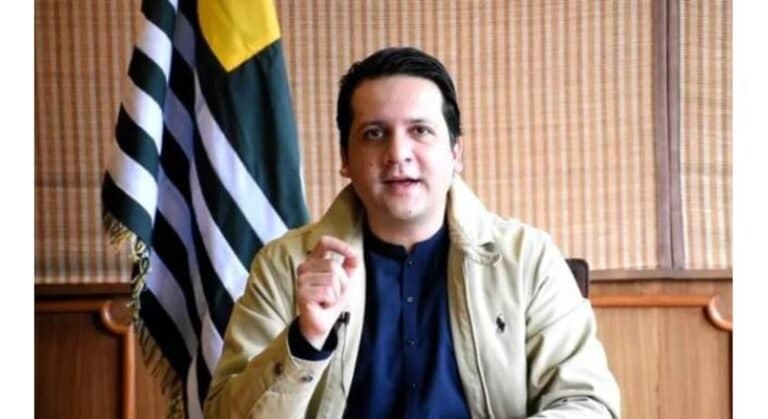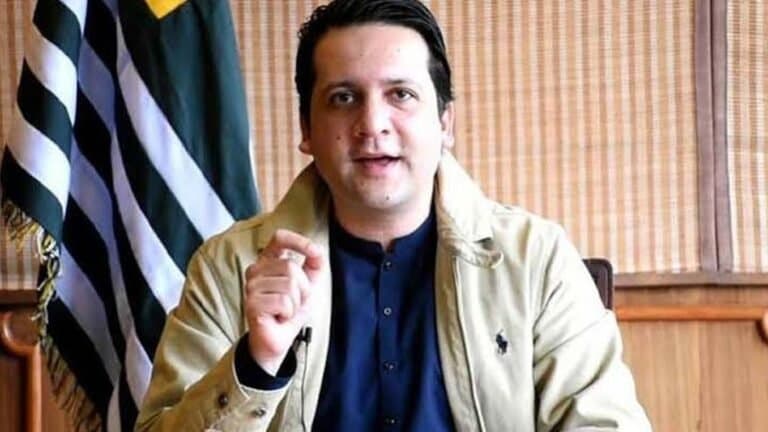
Azad Jammu and Kashmir Prime Minister Iftikhar Gilani has said that actions which harm the state cannot serve the public interest, urging that local problems be settled locally rather than allowed to deepen. He was speaking at a press conference in Muzaffarabad, where he set out his government’s priorities and announced new development funds for three divisions.
According to Dunya News, the prime minister said movement restrictions in Rawalakot were severely disrupting everyday life, with education suffering and patients facing difficulty reaching hospitals. He described Azad Kashmir as the base camp of the Kashmir freedom movement, a description that underlines how closely the region’s politics are tied to the wider Kashmir question.
Gilani said a committee had been formed to deal with the issues, including Sardar Ziaul Qamar and Pir Mazhar Saeed Shah. He said he wanted matters resolved within Azad Kashmir itself, a message aimed at keeping disputes out of prolonged confrontation and inside the region’s own institutions.
On the government’s record, the prime minister pointed to a 10 percent increase in the salaries and pensions of government employees. Pay rises matter most to the thousands of households that depend on public-sector incomes, and the announcement was presented as part of a wider effort to ease the cost of living for state employees and retirees.
The funding announcements covered three divisions. Rawalakot and Muzaffarabad divisions will each receive Rs6 billion, while Mirpur division will receive Rs3 billion, according to the report. Development money of this kind usually goes to roads, public buildings and basic services, and the division-wise breakdown shows an attempt to spread spending across the region rather than concentrate it in one place.
Gilani also claimed that 10,000 young people had gone abroad for employment over the past 18 months. The figure, if accurate, points to a familiar pressure across Azad Kashmir: limited local jobs pushing young workers to seek work overseas, with families depending on the money they send home.
The press conference comes at a sensitive time for the region, where recent unrest has put the relationship between the government and protest movements under strain. Gilani’s emphasis on dialogue and local settlement fits a broader pattern in his recent statements, in which he has rejected rumours about changes to the state’s constitutional status and called for public debate to stay within constitutional channels.
For residents, the test of the announcements will be delivery. Salary increases and division funds are welcome headlines, but their value will be judged by whether hospitals become easier to reach, classrooms stay open, and development projects actually appear on the ground in Rawalakot, Muzaffarabad and Mirpur in the months ahead.